Medically reviewed by Dr. Lauren Nawrocki, DNP, CRNP. Updated August 2026.
Quick answer: Botox for Crow’s Feet is one of the most popular cosmetic treatments for reducing the fine lines that develop around the outer corners of the eyes. These wrinkles often become more noticeable when smiling, laughing, or squinting. Botox works by temporarily relaxing the muscles responsible for these expression lines, creating a smoother and more refreshed appearance without surgery.
Targeted
Treatment for dynamic lines
Temporary
Results require maintenance
Provider-led
Assessment and injection
Have Questions About Your Treatment Options?
Review your health history, current medications, goals, expected benefits, and possible side effects with a qualified Green Relief Health clinician.

Botox for Crow’s Feet is one of the most popular cosmetic treatments for reducing the fine lines that develop around the outer corners of the eyes. These wrinkles often become more noticeable when smiling, laughing, or squinting.
Botox works by temporarily relaxing the muscles responsible for these expression lines, creating a smoother and more refreshed appearance without surgery.
Millions of Botox procedures are performed every year, making it one of the most researched and widely used aesthetic treatments worldwide.
Understanding how Botox works, its benefits, possible side effects, and expected results can help you feel more confident and reassured about choosing the right treatment for your cosmetic goals.
Botox for Crow’s Feet
Botox is an injectable treatment made from purified botulinum toxin type A.
When injected into targeted facial muscles, it temporarily reduces muscle activity.
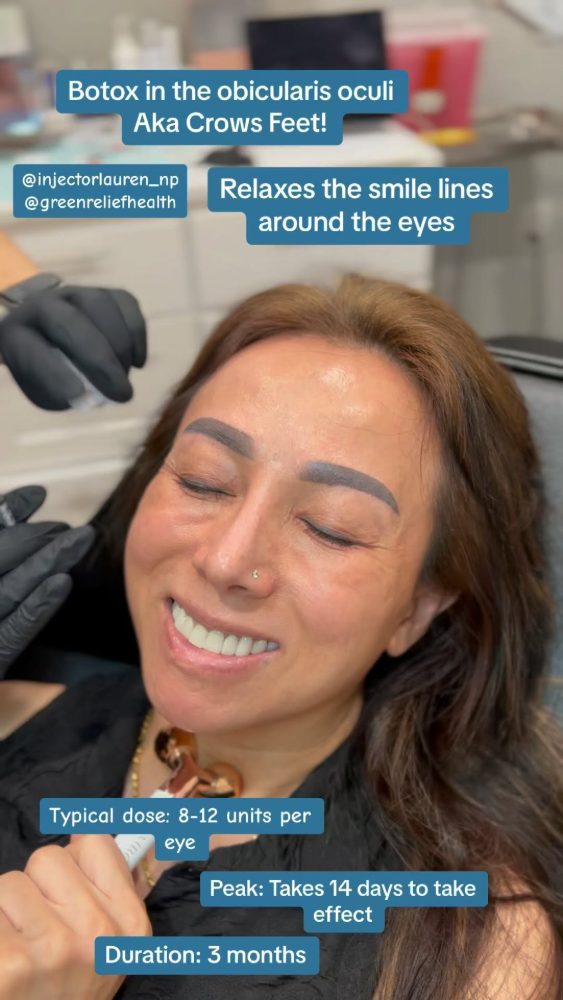
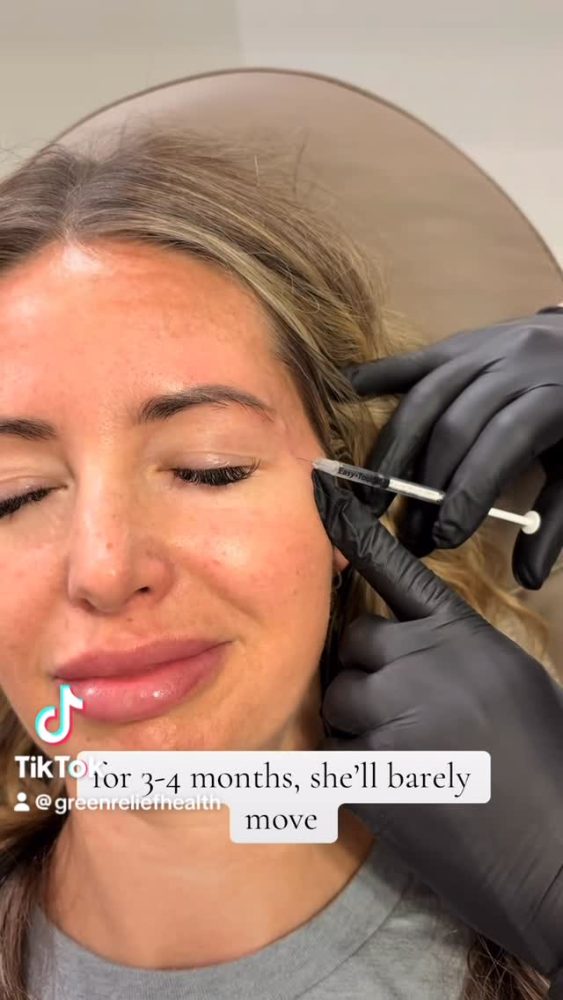
For crow’s feet, Botox is placed into the muscles surrounding the outer corners of the eyes.
As these muscles relax, the overlying skin becomes smoother and dynamic wrinkles become less visible.
The U.S. Food and Drug Administration approves Botox for improving moderate to severe lateral canthal lines, commonly known as crow’s feet.
According to the American Society of Plastic Surgeons, botulinum toxin injections remain one of the most commonly performed minimally invasive cosmetic procedures, with millions of treatments completed annually.
Patients considering wrinkle reduction may also explore Botox treatment options to understand how injections can address different facial concerns.
What Are Crow’s Feet?
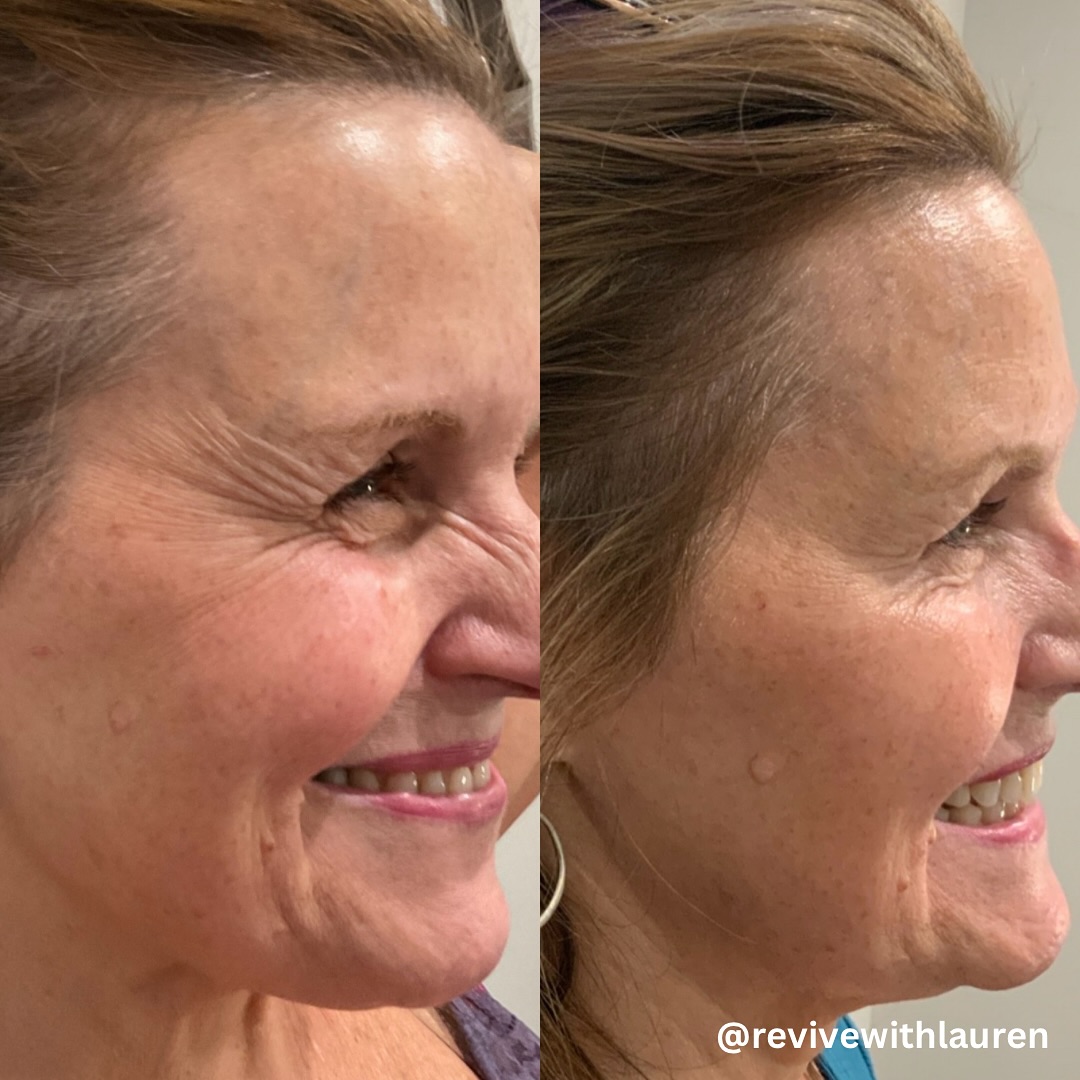
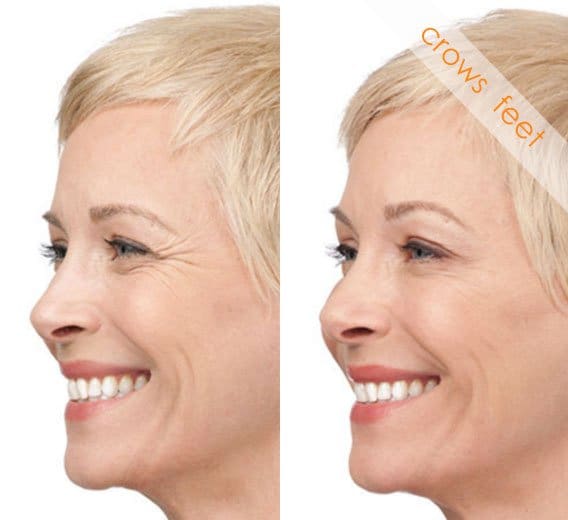
Crow’s feet are fine lines and wrinkles that develop at the outer corners of the eyes.
These lines are considered dynamic wrinkles because they form primarily through repeated facial expressions.
Common causes include:
- Smiling
- Squinting
- Laughing
- Sun exposure
- Aging
- Reduced collagen production
- Smoking
- Natural loss of skin elasticity
Over time, repeated muscle movement causes these temporary expression lines to become visible even when the face is at rest.
Common Causes of Crow’s Feet
| Cause | How It Contributes |
| Aging | Reduced collagen and elastin |
| Sun exposure | Accelerates skin damage |
| Facial expressions | Repeated muscle contractions |
| Smoking | Decreases skin elasticity |
| Genetics | Influences wrinkle development |
How Does Botox Work for Crow’s Feet?
Botox works by temporarily blocking the nerve signals that tell facial muscles to contract.
When the muscles responsible for crow’s feet cannot contract fully, the skin above them becomes smoother.
The treatment does not remove skin.
Instead, it reduces the muscle activity that causes expression lines.
Because only specific muscles are treated, normal facial movement is largely preserved when injections are performed correctly.
The surrounding untreated muscles continue functioning normally.
Is Botox Effective for Crow’s Feet?
Clinical studies have consistently shown that Botox is highly effective for improving dynamic crow’s feet.
Many patients notice softer wrinkles while smiling within the first week after treatment.
According to FDA clinical trial data, most treated patients experienced noticeable improvement in lateral canthal lines after Botox injections.
Results tend to be most dramatic in people with dynamic wrinkles.
Very deep static wrinkles may also improve, although they sometimes require additional treatments such as dermal fillers, laser resurfacing, or skin rejuvenation procedures.
Botox Results for Crow’s Feet
| Treatment Goal | Expected Improvement |
| Fine dynamic wrinkles | Excellent |
| Moderate expression lines | Excellent |
| Deep static wrinkles | Moderate |
| Prevention of future wrinkles | Good |
| Skin texture | Mild improvement |
Patients who are unsure whether they are good candidates can learn more by reviewing Botox Candidates before scheduling a consultation.
What Happens During the Procedure?
Botox treatment for crow’s feet is quick and requires very little preparation.
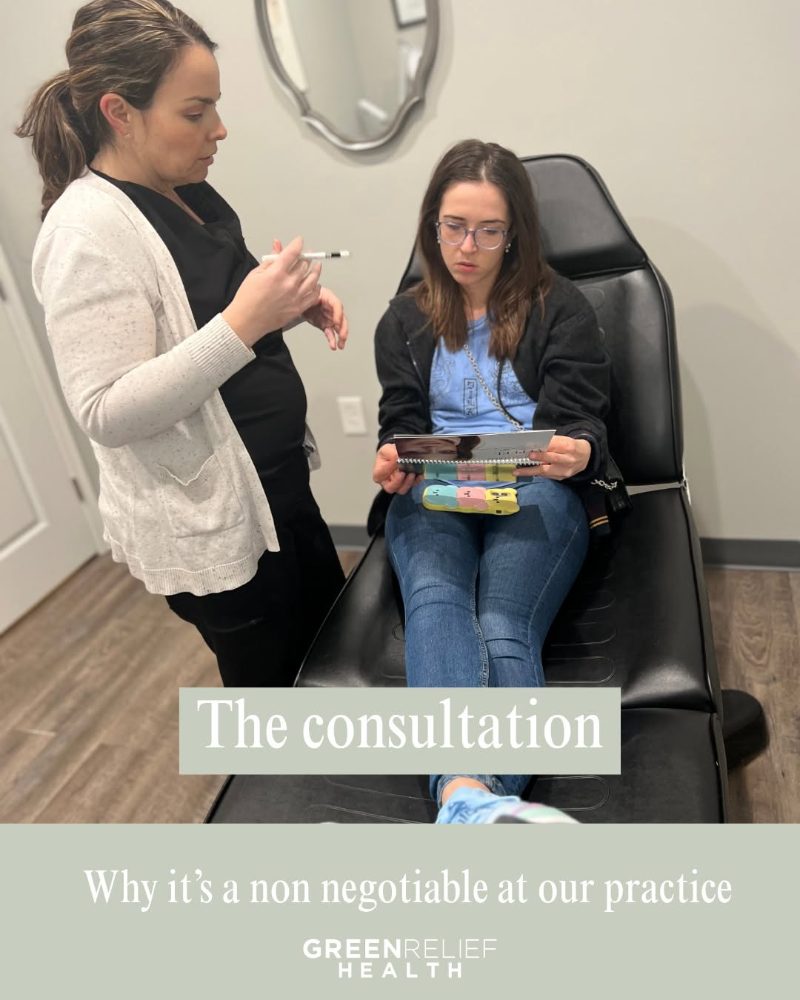
The appointment usually begins with a consultation to evaluate facial anatomy, muscle movement, and cosmetic goals.
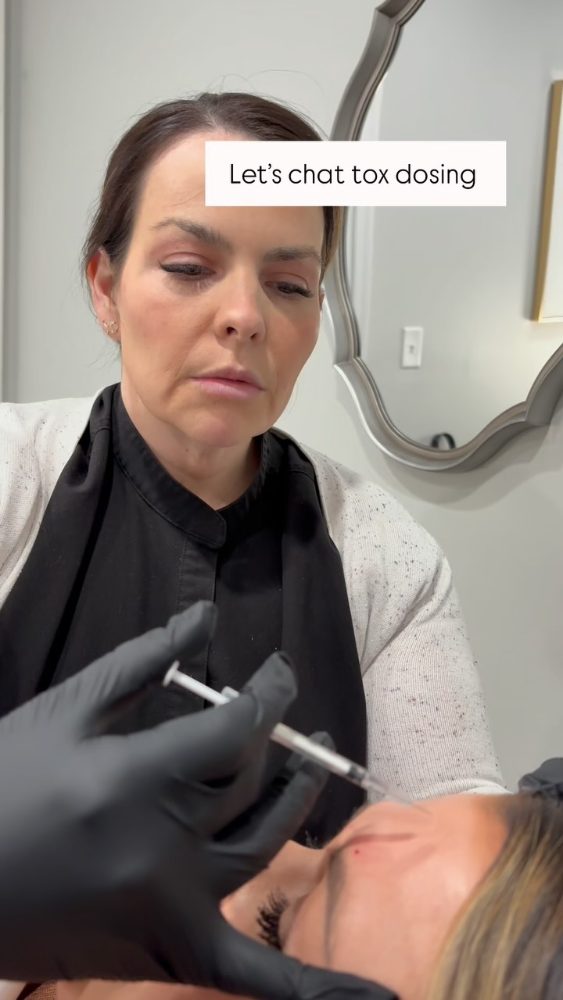
The provider cleans the treatment area before making several small injections around the outer corners of each eye.
Most patients describe the injections as a brief pinching sensation.
The entire procedure typically takes about 10 to 20 minutes.
No anesthesia is usually required, although topical numbing cream may be offered for patients with sensitive skin.
After treatment, patients can usually return to work and normal daily activities immediately.
Most providers recommend avoiding vigorous exercise, rubbing the treated area, and lying flat for several hours following injections.
These precautions help minimize unwanted product migration and support optimal results.
When Will You See Results?
Botox does not produce immediate results.
Most patients begin noticing smoother skin within 5 to 7 days after treatment.
The full cosmetic effect usually develops within 10 to 14 days.
How quickly results appear depends on the individual’s muscle strength, metabolism, dosage, and treatment area.
Patients with stronger facial muscles may require slightly more time before seeing maximum improvement.
How Long Does Botox Last for Crow’s Feet?
Botox results for crow’s feet typically last 3 to 4 months.
Some patients may notice results lasting up to 6 months, while others may require retreatment slightly earlier.
Several factors influence longevity, including:
- Individual metabolism
- Muscle activity
- Injection technique
- Dosage
- Previous Botox treatments
With regular maintenance treatments, some patients notice that wrinkles appear less severe over time because the muscles remain less active.
Average Botox Timeline
| Treatment Stage | Typical Timeline |
| Initial improvement | 5 to 7 days |
| Full results | 10 to 14 days |
| Peak cosmetic effect | Around 2 weeks |
| Average duration | 3 to 4 months |
| Repeat treatment | Every 3 to 4 months |
Patients interested in viewing realistic treatment outcomes can explore Botox Before and After examples before scheduling a consultation.
Botox for Crow’s Feet Side Effects
Botox is generally considered safe when administered by a qualified medical professional. To ensure safety, research and select a licensed, experienced provider who specializes in cosmetic injections, and ask about their training and credentials.
Most side effects are mild and temporary, which can help you feel more at ease and trusting of the safety of Botox when administered by a qualified professional.
Common side effects include:
- Mild redness
- Swelling
- Bruising
- Tenderness
- Headache
- Temporary discomfort at the injection site
Less common side effects may include:
- Eyelid drooping
- Uneven eyebrow position
- Dry eyes
- Watery eyes
- Temporary facial asymmetry
Serious complications are uncommon but are more likely when inexperienced providers perform injections or when aftercare instructions are not followed, so consulting a qualified professional can help you feel more secure about your treatment.
Following your provider’s recommendations helps reduce these risks.
Common Side Effects
| Side Effect | Frequency |
| Mild redness | Common |
| Swelling | Common |
| Bruising | Common |
| Headache | Occasional |
| Eyelid drooping | Rare |
| Facial asymmetry | Rare |
According to published clinical studies, Botox has an excellent safety profile when administered by trained healthcare professionals.
Botox for Crow’s Feet Cost
The cost of Botox for crow’s feet varies depending on several factors.
These include:
- Geographic location
- Provider experience
- Number of units required
- Individual muscle strength
- Clinic pricing
Most patients require approximately 10 to 30 units for both eyes.
Since providers often charge per unit, total treatment costs vary between practices.
Choosing the lowest price is not always the safest option.
Experienced injectors often provide more natural-looking results while reducing the risk of unwanted side effects.
Patients can learn more about pricing by reviewing Botox Cost before scheduling an appointment.
Factors That Affect Cost
| Factor | Effect on Price |
| Number of Botox units | Higher units increase cost |
| Injector experience | Experienced providers may charge more |
| Geographic location | Prices vary by region |
| Follow-up treatments | May influence long-term investment |
Frequently Asked Questions
Does Botox really work for crow’s feet?
Yes.
Botox is one of the most effective non-surgical treatments for dynamic crow’s feet.
It temporarily relaxes the muscles responsible for expression lines, making wrinkles significantly less noticeable.
Can Botox fix crow’s feet?
Botox can greatly improve the appearance of crow’s feet.
It works best on dynamic wrinkles caused by facial movement.
Very deep static wrinkles may require additional cosmetic treatments for optimal improvement.
What are the riskiest areas for Botox?
Areas close to delicate muscles, including around the eyes, eyebrows, and forehead, require experienced injection techniques.
Proper facial anatomy knowledge helps reduce the risk of eyelid drooping or uneven facial movement.
This is why qualified medical professionals should always perform treatment.
Final Thoughts
Botox for Crow’s Feet remains one of the most trusted cosmetic treatments for reducing fine lines around the eyes.
The procedure is quick, minimally invasive, and supported by decades of clinical research.
Most patients experience noticeable improvement within two weeks and enjoy smoother skin for several months.
Choosing an experienced provider, following proper aftercare instructions, and maintaining realistic expectations are the keys to achieving natural-looking results.
If you are considering treatment, scheduling a professional consultation is the best way to determine whether Botox is appropriate for your goals and facial anatomy.
Get Personalized Guidance
Your safest next step depends on your health history, treatment goals, current medicines, and response over time.
📍 7690 Belair Road, Suite 1, Baltimore, MD 21236 | 📞 410-368-0420
Medical Disclaimer
This article is for general educational purposes only and is not medical advice, diagnosis, or treatment. Prescription medicines, risks, labels, and eligibility can change. Do not start, stop, combine, or change a medicine without guidance from a qualified healthcare professional. Seek urgent care for severe or rapidly worsening symptoms.
↑