

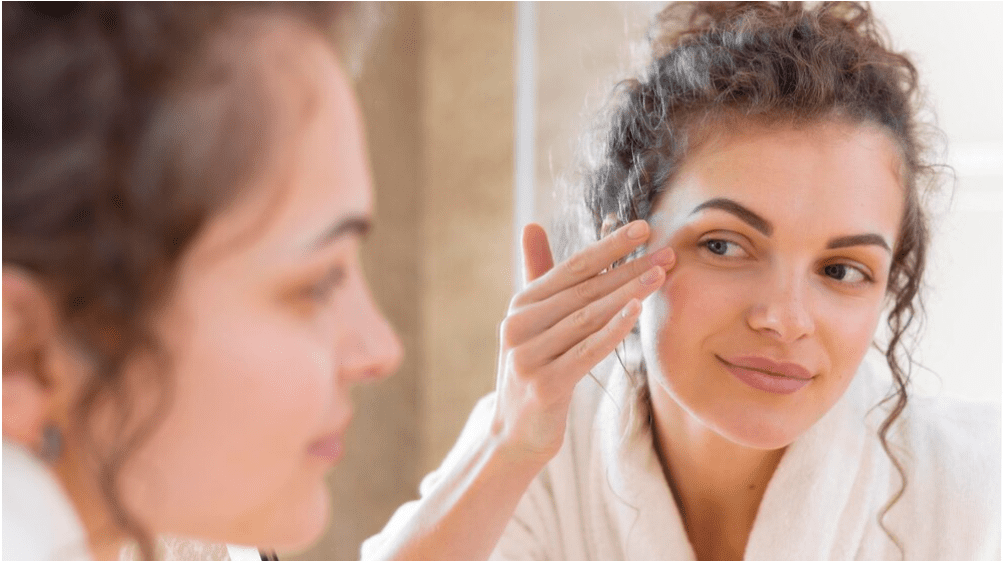

Age spots, commonly referred to as liver spots or solar lentigines are flat, tan, or brown patches on the skin that emerge with age. They are very common, typically showing up on the face, hands, arms, and other areas frequently exposed to the sun. While harmless, many people seek ways to remove or fade age spots for cosmetic reasons.
These spots form due to increased melanin production in certain areas of the skin. Pigments that give skin its color are called melanins. Sun exposure, genetics, and aging all trigger more melanin concentrated in patches on the skin.
While age spot treatment creams are popular options, natural methods also offer ways to help erase existing ones over time. Additionally, making certain lifestyle changes may help slow the development of new age spots forming.
This article outlines the most effective natural remedies that can remove current age spots on the face and body while preventing their future recurrence, as well as professional options as well.
Discover multiple techniques to help achieve spot-free, more youthful-looking skin, from at-home fruit acids to over-the-counter retinoids to clinical techniques.
Ways to Naturally Remove Existing Age Spots
Many effective at-home treatments can naturally diminish the appearance of age spots over time. Fruit acids like fresh lemon juice and apple cider vinegar provide natural bleaching through direct daily application to hyperpigmented areas.
Additionally, hydrating gels containing aloe vera, antioxidant vitamin C serums, and over-the-counter retinol creams work to both repair UV damage and restrict excess melanin production by increasing skin cell turnover.
Read on for step-by-step natural methods to safely lighten pigmented patches.
1. Lemon Juice
For lightening age spots, fresh lemon juice stands out as one of the top choices due to its natural bleaching capabilities. The high acidity of the citric acid in lemons works to break down skin pigment. Simply soak a cotton ball in fresh lemon juice and apply directly to age spots.
Leave the juice on for at least 30 minutes before rinsing. The bleaching effect also makes skin more sensitive to UV light, so make sure to use sunscreen afterward. Apply daily to see results in fading dark spots within a few weeks.
2. Apple Cider Vinegar
Like lemon juice, apple cider vinegar contains alpha hydroxy acids that gently exfoliate and peel the outer skin layers where age spots reside. It also has some additional antibacterial and antifungal properties that remove dead skin cell accumulation.
Create a solution mixing 1 part apple cider vinegar with 1 part water. Dip a cotton pad and gently wipe over age spots twice daily, rinsing afterward. The light exfoliation can help diminish spots over time with consistent application.
3. Aloe Vera Gel
It is well known that aloe vera soothes burns, wounds, and irritated skin. The rich supply of antioxidants, enzymes, and vitamins within the aloe plant also assists with new skin cell production and fading age spots.
Simply snap open a leaf fresh from an aloe plant and apply the gel directly over the top of age spots once or twice per day. Store-bought gels work as well but may contain preservatives. The nutrients in aloe fade spots while moisturizing the skin.
4. Vitamin C Serum
Vitamin C is a powerful antioxidant that restricts melanin production in existing and new skin cells. Using a daily vitamin C facial serum primes skin texture, boosts collagen formation, and gently fades hyperpigmented areas like age spots over six weeks.
Look for serums containing at least 10-15% stable vitamin C (L-ascorbic acid) formulated to penetrate the skin. Start with three drops over trouble areas morning and night before sunscreen.
5. Hydrogen Peroxide
As an antibacterial cleansing agent, hydrogen peroxide offers mild but effective bleaching of hyperpigmented skin as it kills off free radical compounds that increase melanin.
Carefully cleanse age spots using a cotton swab soaked in diluted 3% hydrogen peroxide once or twice daily. Limit direct application to 5 minutes before washing as hydrogen peroxide could burn skin.
When properly diluted and washed off, hydrogen peroxide restores balance, fading age spots.
6. Over-the-Counter Retinol Creams
Retinol is a gentler derivative of prescription vitamin A retinoids like tretinoin used to treat various skin concerns, from acne to aging. As an over-the-counter product, retinol remains one of the most proven agents to stimulate collagen renewal and shed pigmented skin layers, revealing fresher skin underneath. Using pea-sized amounts daily, prescription-strength 0.5% retinol cream vanishes age spots within 2 to 3 months, coupled with religious sunscreen use.
Natural Methods for Preventing New Age Spots
In ‘Natural Methods for Preventing New Age Spots,’ we’ll talk about easy, everyday ways to keep your skin healthy and stop new age spots from appearing.
Such methods include safeguarding your skin against the sun, eating wholesome foods, and dedicating time to skin care.
1. Sun Protection with Clothing, Hats, and Sunscreen
Since sunlight exposure leads to increased melanin production, causing age spots, limiting UV damage remains imperative. Wear wide-brim hats, tightly woven long sleeves, and sunglasses, and apply broad spectrum SPF 30+ sunscreen on exposed skin whenever outside for over 10 minutes.
Reapply sunscreen every 2 hours minimum if active or swimming. Seek shade during peak hours when rays are strongest as well.
2. Healthy, Antioxidant-Rich Diet
Boosting antioxidants internally protects skin cell health to help restrict further pigmentation issues. Aim for 5-9 servings of varied fruits and vegetables high in vitamins A, C, and E, like citrus fruits, leafy greens, berries, tomatoes, nuts, and olive oil.
Green tea and dark chocolate also supply antioxidant compounds called polyphenols, which benefit the skin.
3. Avoid Excessive Tanning and Burns
Seeking shade daily prevents unnecessary tanning and sunburns – both linked to the quicker formation of age spots. Those with lighter complexions already vulnerable to skin damage should take greater precautions.
Visiting tanning salons utilizing artificial UV lighting to intentionally tan also significantly raises the odds of spot development.
4. Chemical Skin Peels
Over-the-counter gentler acid peels with glycolic or alpha hydroxy acids remove outer skin layers with pigmented damage so newer cells generate evenly.
Consult a licensed esthetician about combining a superficial peel series 3-4 weeks apart with a daily at-home regimen, maintaining results long-term.
5. Consistent Exfoliation
Gently sloughing off the surface layer of dead skin cells all over the body 2-3 times a week prevents cell buildup. Exfoliating fade creams with glycolic, retinol, or vitamin C accelerate cell turnover to clear imperfections.
Soft cleansing scrubs also effectively whisk away dullness, promoting radiance and clarity. Focus extra attention on exfoliating areas prone to spotting, like décolleté, hands, and cheeks.
What are the Age Spots
What exactly are age spots? Also termed liver spots or solar lentigines, these flat, irregularly shaped tan, brown, or black skin patches emerge in adults over 40 years old as a result of sun exposure. While harmless, age spots result from increased melanin production, creating concentrated skin pigmentation areas.
The higher melanin levels stem from years of accumulated skin cell damage from UV radiation and free radicals. Age spots typically manifest on frequently sun-exposed body parts like the face, chest, shoulders, arms, hands, and legs.
What causes them to form? Excess sun exposure without protection remains the dominant cause of age spots in those genetically prone to pigmentation issues.
Long-term sun damage triggers the melanin-producing cells or melanocytes to go into overdrive, creating a protective barrier of brown pigment against further UV harm.
Other contributing factors include advanced aging, hormone changes, smoking cigarettes, and a vitamin antioxidant-deficient diet lacking enough skin-nourishing nutrition.
Unrealistic Expectations and Safety Risks of Aggressive At-Home Treatments
Efficacy Limitations:
- Over-the-counter products have lower concentrations of active ingredients than professional-grade formulas, limiting their ability to penetrate the skin and adequately produce significant improvements. They simply cannot achieve the same level of efficacy.
- Retail products are generally made for maintenance and prevention. They lack the potency required to treat existing moderate to severe skin damage like hyperpigmentation, scar tissue, or deep wrinkles.
Safety & Technique Risks:
- Aggressive at-home peel formulas and devices carry increased risks of irritation, inflammation, and further damage if used incorrectly without proper experience.
- Lack of assessment by a skin care professional can lead to choosing overly intense DIY treatments unsuited for some skin types, causing burns or post-inflammatory pigmentation.
- Improper technique negatively impacts outcomes. Without professional guidance, patients may fail to adequately prep the skin or neutralize acids on the skin’s surface during home peels.
Consistency & Commitment:
- OTC routines rely wholly on the patient committing to regular use for maintenance and gradual improvements at best. Changes require daily reapplication for weeks before noticing a difference. It’s not as targeted.
- Clinical treatments demand less frequent application for activated repair through procedures leveraging the latest technologies. More dramatic, timely improvements.
Invest in Your Best Complexion Through Expert Care
While at-home methods have a role for temporary brightening and maintenance, achieving visual improvements demands state-of-the-art clinical treatments available exclusively through licensed aesthetic professionals.
Leveraging the latest device technologies and medical-grade formulas, expert skin care providers offer both immediate and lasting correction of damaged skin beyond anything over the counter.
Their cutting-edge modalities drive profound changes at deeper levels – smoothing wrinkles, evening tone, and texture, erasing dark spots and sun damage, and refining enlarged pores or acne scars.
With an extensive understanding of skin anatomy and scientific protocols, they skillfully create truly transformative yet safe rejuvenation.
For Baltimore residents seeking the most innovative, trustworthy center for realizing their ultimate complexion goals, visit Green Relief Health Med Spa. Their compassionate, talented providers couple advanced training with exclusive nonsurgical solutions for show-stopping yet natural enhancements.
Wrapping Up
In summary, age spots or solar lentigines are common harmless pigmentation patches stemming from years of sun damage that manifest in middle age and beyond.
Preventing additional spot development centers on lifestyle factors like limiting UV exposure, eating antioxidant-rich nutrition, avoiding excess tanning, and committing to gentle daily exfoliation and hydration.
While over-the-counter creams and natural home remedies can provide mild improvements for some, those with moderate to severe dyspigmentation require professional-grade treatments for satisfying correction. We now better understand the constraints of at-home methods regarding safety risks, efficacy ceilings, and patient compliance.
Instead, today’s medical aesthetic advancements offer unrivaled hyperpigmentation protocols personalized to one’s needs.
Local licensed providers like Green Relief Health Med Spa, provide access to these exclusive solutions leveraging potent clinical-grade formulas and scientifically proven devices. Their cutting-edge modalities drive substantive improvements beyond cosmetics to restore skin function and clarity from within genuinely.
With compassionate, expert guidance at each step of the skin’s renewal journey, one can realize their most radiant, spot-free complexion for years of confidence to come.