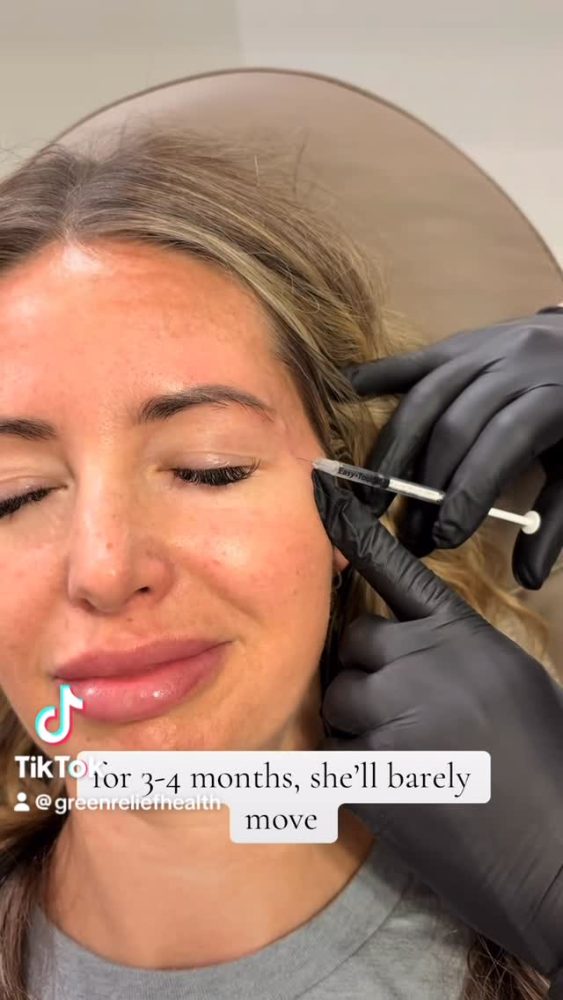
Cheek filler, a hyaluronic acid injectable placed into the zygomatic region to restore volume, lift, and contour, produces both immediate and gradually improving changes in 3 areas: cheekbone projection, midface fullness, and under-eye shadow reduction. Results appear right after injection and continue to improve over 2 to 4 weeks as the filler integrates with surrounding tissue and initial swelling subsides.
The most common pre-existing signs among cheek filler patients include a flat or hollow midface, loss of cheekbone definition, deepened nasolabial folds, and under-eye hollowness. FDA trials report 88% satisfaction with Juvéderm Voluma, though it is natural to have questions about safety, side effects, and recovery first.
This guide covers exactly what changes before and after cheek filler, which filler products produce each type of result, the day-by-day recovery timeline, and how long results last. Patients considering cheek fillers at Green Relief Health can review the full treatment overview on the cheek fillers explained page before booking a consultation.
88%
Patient satisfaction rate in Juvéderm Voluma FDA clinical trials
1-2 mL
Average filler volume used per cheek treatment session
12-24 mo
Duration of cheek filler results for most HA products
30-45 min
Total appointment time, including numbing and injection
Want to See What Cheek Filler Could Do for You?
A quick consultation maps your midface anatomy and shows exactly which filler and volume will give you the lift you want. Results show the same day.
✨ What You’ll Learn
- What Is Cheek Filler?
- Before and After: What Actually Changes
- The 4 Structural Changes
- Filler Products Used for Cheeks
- The Cheek Filler Procedure: Step by Step
- Day-by-Day Recovery & Swelling Timeline
- 6 Rules That Speed Recovery
- How Long Do Cheek Filler Results Last?
- Cheek Filler Aftercare Rules
- Who Is a Good Candidate?
- Final Thoughts
- Frequently Asked Questions
What Is Cheek Filler?
Cheek filler is a non-surgical cosmetic treatment that injects dermal filler, most commonly cross-linked hyaluronic acid gel, into the subcutaneous fat compartments and periosteal layer of the midface to add volume, lift, and projection to the cheekbone region. Hyaluronic acid is a naturally occurring polysaccharide found in skin tissue that attracts and holds water molecules, creating the volumizing effect.
The zygomatic arch, or cheekbone, forms the structural foundation of the midface. As collagen production decreases with age (beginning around age 25 at a rate of 1% per year), the fat pads that rest on top of the cheekbones descend and thin. This produces the hollowed, flat midface appearance that cheek filler corrects by restoring the lost volume beneath those descended fat compartments.
How Cheeks Affect the Whole Face: The cheekbones act as a scaffold for the entire midface. When cheek volume descends, it pulls the nasolabial folds deeper, creates tear trough hollowness, and makes the jawline appear heavier by comparison. Restoring cheek projection with filler corrects all 3 zones at once, for a more balanced midface.
Cheek Filler Before and After: What Actually Changes
Cheek filler produces 4 structural changes that are visible immediately after treatment and continue to improve over 2 to 4 weeks. The before-and-after transformation is most dramatic in patients with significant midface volume loss, typically adults in their mid-30s and beyond.
Before Cheek Filler
- Flat or hollow midface
- No visible cheekbone arch
- Deep nasolabial folds
- Under-eye hollowness and dark circles
- Sagging skin below cheekbones
- Tired, gaunt facial appearance
- Heavy jawline by comparison
After Cheek Filler
- Lifted, projected midface
- Defined cheekbone arch visible
- Softened nasolabial folds
- Reduced under-eye shadow
- Tightened skin over cheeks
- Refreshed, youthful appearance
- Balanced facial proportions
Here is what each of the 4 structural changes looks like in detail.
1. Cheekbone Projection
Filler placed directly on the periosteum (the outer layer of the cheekbone) adds height and forward projection to the zygomatic arch. This is the most visually impactful change, the defined high-cheekbone appearance. The projection creates a shadow line below the cheekbone that defines the midface structure and creates the ogee curve, the S-shaped contour from eye to jaw considered the hallmark of aesthetic facial balance.
2. Midface Volume Restoration
Filler placed in the submalar (below-cheekbone) fat compartment fills the hollowed valley that develops with age-related descent of the fat pads. This is the change patients describe as looking less tired or looking healthier. The added volume fills the concave area, removing the shadowing that makes the midface look gaunt.
3. Nasolabial Fold Softening
When cheek volume rises, the nasolabial folds, the lines running from the nose to the corners of the mouth, soften indirectly. The upward mechanical lift from restored cheek volume reduces fold depth by 30 to 40% in most patients. This is a secondary benefit of cheek fillers, reducing the need for direct nasolabial fold injections in many cases.
4. Under-Eye Shadow Reduction
The tear trough, the hollow between the lower eyelid and the cheek, deepens when midface volume descends. Restoring cheek projection shortens this shadow zone by lifting the cheek tissue upward and backward toward the orbital rim. Patients with moderate tear trough hollowness achieve 40 to 60% improvement with cheek filler alone. Patients can view real results in Green Relief Health’s dermal filler before-and-after gallery.
⚠️ What Cheek Filler Does NOT Change
Cheek filler does not reduce fine lines on the skin surface, change skin tone or texture, or lift severely sagging skin. It corrects volume deficit and positional descent, not surface skin changes. Patients with skin laxity alongside volume loss benefit from combining cheek filler with skin-tightening treatments.
Ready for a Lifted, Refreshed Midface?
Expertly placed cheek filler restores volume and definition that looks natural, not overfilled. Find out what your result could look like.
Filler Products Used for Cheeks
3 filler categories treat the cheek region, each with different lifting capacity, longevity, and injection technique requirements. The provider’s selection depends on the patient’s specific anatomy, degree of volume loss, and desired result intensity.
| Filler Product | Type | Best For | Duration |
|---|---|---|---|
| Juvéderm Voluma XC | HA (high-density) | Deep structural lifting and projection | 12-24 months |
| Restylane Lyft | HA (firm consistency) | Cheekbone definition and submalar volume | 12-18 months |
| Sculptra | Poly-L-lactic acid | Gradual overall volume restoration over months | 24-36 months |
| Radiesse | Calcium hydroxylapatite | Firm structural support, longer duration | 12-18 months |
Juvéderm Voluma XC is the only filler approved by the FDA specifically for cheek augmentation. Juvéderm in Baltimore at Green Relief Health is available with Allergan’s Allē loyalty program for cost savings on repeat treatments.
Restylane Lyft works particularly well for patients who need cheekbone definition rather than bulk volume addition, and it is the second most commonly chosen product for cheek augmentation. The detailed Restylane vs Juvéderm comparison helps patients understand which product suits their anatomy before consultation.
Sculptra takes a different approach: it stimulates the patient’s own collagen production over 3 to 6 months. The differences between Sculptra and other dermal fillers are significant, with Sculptra lasting up to 3 years, the longest duration of any cheek volume treatment.
Hyaluronic Acid Advantage: HA fillers (Voluma, Restylane Lyft) are reversible, since the hyaluronidase enzyme dissolves them completely within 24 to 48 hours. Sculptra and Radiesse are not reversible. This makes HA fillers the preferred starting point for first-time cheek filler patients.
The Cheek Filler Procedure: Step by Step
The cheek filler procedure takes 30 to 45 minutes from arrival to completion, including time for topical numbing. The full dermal fillers step-by-step process at Green Relief Health follows 5 stages.
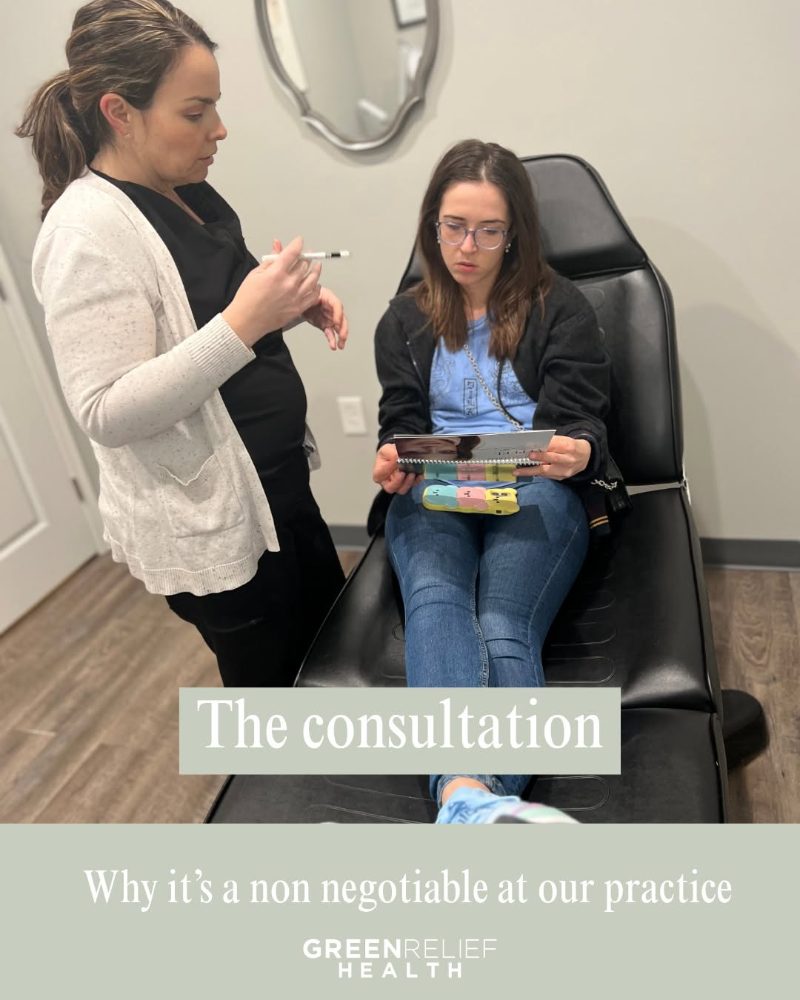
Step 1 — Consultation and Facial Assessment (10 minutes)
The provider photographs the face, assesses cheekbone structure and fat pad position, and marks injection points. The patient discusses the desired outcome, and the provider recommends filler volume and product.
Step 2 — Topical Numbing Application (15-20 minutes)
Topical lidocaine cream is applied to the injection sites for 15 to 20 minutes. Most cheek fillers also contain lidocaine in the gel itself, providing additional comfort during injection.
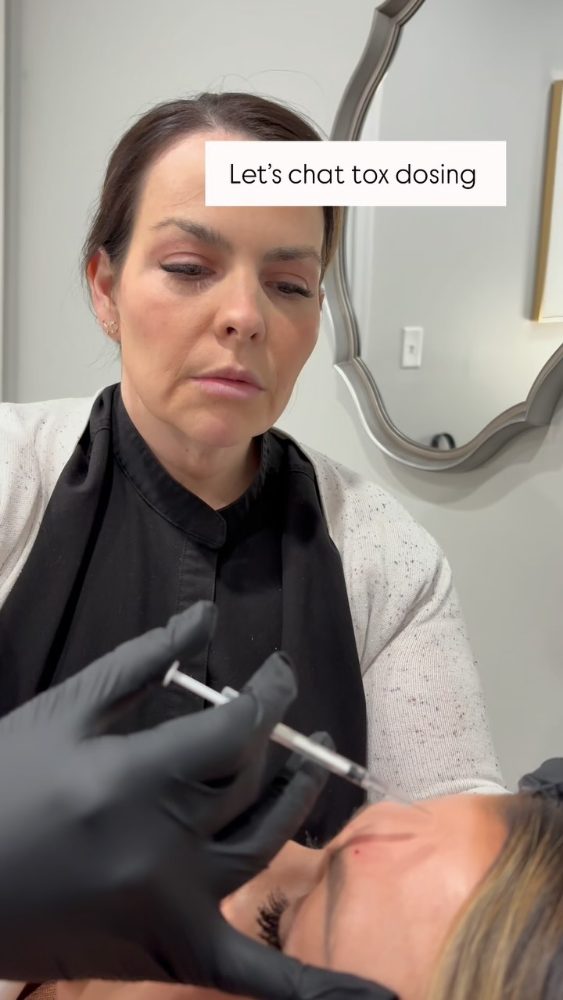
Step 3 — Injection (10-15 minutes)
The provider injects filler using a needle or cannula at 2 to 4 points per cheek. Deep periosteal placement uses a needle, while superficial placement in fat compartments uses a blunt cannula, which reduces bruising risk by threading between tissue planes rather than puncturing them.
Step 4 — Massage and Assessment (5 minutes)
The provider gently massages each injection site to distribute the filler evenly and assess symmetry. The patient views the result in a mirror, and minor adjustments are made immediately if asymmetry is detected.
Step 5 — Aftercare Instructions and Discharge
The provider gives written aftercare instructions. The patient leaves with ice packs for the first 24 hours and a follow-up appointment scheduled for 2 to 4 weeks post-treatment.
Cannula vs Needle: Cannula injection produces significantly less bruising than needle injection because the blunt tip separates tissue rather than puncturing blood vessels. Patients with important events in the week after treatment benefit from requesting the cannula technique, while needle technique allows more precise periosteal placement for structural projection goals.
Day-by-Day Recovery and Swelling Timeline
Cheek filler recovery involves swelling and bruising that peak at 48 to 72 hours and resolve fully by day 10 to 14. Individual variation depends on filler volume, injection technique, and patient skin sensitivity.
| Timeframe | What to Expect | Normal vs Concern |
|---|---|---|
| Hours 0-4 | Immediate swelling, redness, and possible bruising | Normal: expected inflammatory response |
| Day 1-2 | Swelling peaks; cheeks appear overfilled or asymmetric | Normal: do not assess results yet |
| Day 3-5 | Swelling subsiding; bruising may deepen before fading | Normal: bruise color change is part of healing |
| Day 7-10 | Most swelling resolved; true result shape emerging | Normal: minor residual firmness common |
| Day 14 | Final result fully visible; follow-up appointment | Any persistent asymmetry assessed at follow-up |
| Week 4-8 | Filler fully integrated with tissue; optimal softness | Normal: HA absorbs water and softens over weeks |
Understanding how long dermal fillers take to settle helps patients avoid premature judgment of results. The swollen appearance at day 1 to 2 does not represent the final result. Hyaluronic acid fillers also absorb water from surrounding tissue over the first 2 to 4 weeks, which slightly increases softness and volume before the gradual reduction begins months later.
⚡ 6 Rules That Speed Cheek Filler Recovery
- Apply ice for the first 24 hours: wrap ice in cloth and apply 10 minutes on, 10 minutes off to reduce swelling.
- Sleep elevated on nights 1 and 2: lying flat increases facial swelling, so sleep with 2 pillows.
- Avoid alcohol for 48 hours: alcohol dilates blood vessels and increases bruising severity.
- Skip intense exercise for 48 hours: a raised heart rate worsens bruising and increases filler migration risk.
- Do not massage the treated area for 2 weeks: pressure displaces filler before it integrates with surrounding tissue.
- Avoid saunas, hot tubs, and steam rooms for 2 weeks: heat increases swelling and accelerates filler breakdown.
How Long Do Cheek Filler Results Last?
Cheek filler results last 12 to 24 months for hyaluronic acid products and up to 36 months for Sculptra. The cheek region retains filler longer than the lips or under-eyes because cheek tissue moves less, since facial expressions do not repeatedly compress the cheek fat compartments the way they compress the perioral region.
| Filler Product | Average Duration | Factors Affecting Longevity |
|---|---|---|
| Juvéderm Voluma XC | 18-24 months | High metabolic rate and sun exposure reduce duration |
| Restylane Lyft | 12-18 months | Exercise frequency, body weight changes |
| Sculptra | 24-36 months | Most durable option; results build gradually |
| Radiesse | 12-18 months | Stimulates collagen, extending effective duration |
Patients who return for maintenance treatment before the filler fully dissolves (typically at the 12-month mark) require less volume per session because residual filler remains. This top-up approach is more cost-effective than waiting for complete dissolution and starting fresh. Book through the dermal fillers Baltimore page to ask about loyalty program discounts.
Cheek Filler Aftercare Rules
Proper aftercare determines how quickly swelling resolves, whether bruising develops, and how long the filler lasts. The full post-treatment guidelines for dermal fillers from Green Relief Health cover every rule in detail. The 7 most critical aftercare rules are below.
✅ Cheek Filler Aftercare Checklist
- Ice the area within 1 hour of treatment: reduces histamine response and bruise formation at injection sites.
- Sleep face-up for 2 nights: side sleeping compresses the cheek and displaces fresh filler before integration.
- No alcohol, aspirin, or ibuprofen for 48 hours: these thin the blood and increase bruising significantly.
- No facial massage, facials, or skin treatments for 2 weeks: mechanical pressure moves filler out of position.
- No dental procedures for 4 weeks: dental injections and cheek retraction stress the filler injection zones.
- Wear SPF 30 daily after day 3: UV exposure accelerates HA filler breakdown by increasing free radical activity in the skin.
- Attend the 2-week follow-up: the provider assesses symmetry, result satisfaction, and whether touch-up volume is needed.
Who Is a Good Candidate for Cheek Filler?
Cheek filler produces the best before-and-after transformation in 4 specific patient profiles. Candidates outside these profiles benefit more from surgical consultation or alternative treatments.
| Patient Profile | What Cheek Filler Addresses | Expected Improvement |
|---|---|---|
| Adults 30-55 with midface volume loss | Age-related fat pad descent and collagen reduction | Significant: restores youthful facial proportion |
| Adults with naturally flat cheeks | Structural enhancement of zygomatic arch definition | High: creates projection that genetics did not provide |
| Patients with weight-loss-related facial hollowing | Rapid fat loss that deflates the midface | High: directly restores the lost volume |
| Patients with deep nasolabial folds | Indirect fold softening through cheek lift | Moderate: reduces fold depth without direct injection |
Patients exploring multiple facial enhancement options benefit from reviewing the full best dermal fillers in Baltimore guide to understand which treatment addresses their specific concern most effectively.
See Your Cheek Filler Transformation
Green Relief Health’s providers assess your midface anatomy and recommend the exact filler product and volume for your goals, with results visible the same day.
Final Thoughts
Cheek filler before-and-after results depend on 3 factors: the patient’s starting anatomy, the selected filler product, and the injector’s technique. Patients with significant midface volume loss show the most dramatic transformation, with visible cheekbone projection, softened nasolabial folds, and reduced under-eye shadowing appearing immediately and continuing to improve over 2 to 4 weeks as swelling subsides.
Juvéderm Voluma and Restylane Lyft produce the fastest visible results with a 12 to 24-month duration. Sculptra produces the most gradual but longest-lasting transformation, 24 to 36 months, by stimulating the patient’s own collagen production. The right product depends on how quickly the patient wants results, how long they want them to last, and their individual anatomy.
The before-and-after difference from cheek filler is most pronounced when the injector understands three-dimensional facial anatomy and places product at the correct depth for each zone. Deep periosteal placement provides structural projection, while superficial fat compartment placement provides soft volume fill. Combining both techniques in a single session produces the natural, lifted result that distinguishes expertly placed cheek filler from overfilled, unnatural outcomes.
Related Resources
Cheek Fillers in Baltimore Dermal Fillers in Baltimore Juvéderm in Baltimore Sculptra in Baltimore Restylane vs Juvéderm Dermal Filler Before & After Gallery Best Dermal Fillers in Baltimore
Frequently Asked Questions
How noticeable is cheek filler before and after?
The degree of change depends on the filler volume used and the patient’s starting anatomy. Patients receiving 1 to 2 mL per cheek with significant pre-existing volume loss see a dramatic before-and-after difference, with lifted cheekbones, softened folds, and a more refreshed overall appearance. Patients receiving smaller touch-up volumes (0.5 mL per side) see a subtle refinement rather than a dramatic change. The result is immediately visible but looks most natural and final at 2 to 4 weeks, once swelling has fully resolved and the filler has integrated with the surrounding tissue.
How much swelling is normal after cheek filler?
Swelling after cheek filler is normal. It peaks at 24 to 48 hours post-injection, making the cheeks appear larger and potentially asymmetric during this period. Most swelling resolves by day 5 to 7, with residual minor puffiness lasting through day 14. Patients who receive higher volumes (2+ mL per cheek) experience more pronounced initial swelling. Applying ice within the first 24 hours and sleeping elevated significantly reduces peak swelling intensity.
Can cheek filler go wrong, and what does it look like?
Cheek filler complications fall into 3 categories. Aesthetic complications such as overfilling, asymmetry, or unnatural projection result from excessive volume or incorrect placement depth, and they are correctable with hyaluronidase dissolution. Bruising and prolonged swelling are temporary and resolve without intervention in 1 to 2 weeks. Rare but serious complications include vascular occlusion, which requires immediate hyaluronidase injection and is a medical emergency. Selecting a medically trained, experienced injector at a clinic like Green Relief Health reduces the risk of vascular complications.
How long until cheek filler looks natural?
Cheek filler looks most natural at 2 to 4 weeks post-treatment. The initial result immediately after injection appears slightly overfilled due to both the filler volume and injection-related tissue swelling. As swelling subsides over the first 2 weeks and the hyaluronic acid filler absorbs water from surrounding tissue, it softens and integrates with the natural cheek tissue. The result at week 4, firm but natural-feeling with smooth transitions to surrounding areas, represents the true outcome.
How much cheek filler do I need?
Most patients use 1 to 2 mL total (0.5 to 1 mL per cheek) for their first cheek filler treatment. Patients with significant volume loss from aging or weight loss may use 2 to 4 mL total to achieve adequate restoration. First-time patients typically start conservatively, since it is always possible to add more volume at the 2-week follow-up once the initial swelling has resolved and the settling result is visible.
Does cheek filler also improve nasolabial folds?
Yes. Cheek filler indirectly softens nasolabial folds in most patients by lifting the midface tissue upward, which reduces the mechanical tension that creates the fold. The improvement is typically 30 to 40% in fold depth and is greatest in patients whose folds are caused primarily by descended cheek fat rather than skin laxity. Patients with severe nasolabial folds may need both cheek filler for the volume component and direct fold filler for full correction.
Can cheek filler be dissolved if I don’t like the result?
Yes. Hyaluronic acid cheek fillers (Juvéderm Voluma, Restylane Lyft) dissolve completely within 24 to 48 hours with a hyaluronidase enzyme injection. The enzyme breaks down the hyaluronic acid chains, returning the cheek to its pre-treatment state. Dissolution is a standard procedure performed at the same clinic where the filler was placed. Sculptra and Radiesse are not dissolvable, so patients choosing these products must wait for natural breakdown over 12 to 36 months. This is the primary reason most first-time patients choose hyaluronic acid fillers over non-reversible options.
Start Your Cheek Filler Journey in Baltimore
Get a personalized treatment plan from a medically trained injector who understands facial anatomy. Book your consultation today.
📍 7690 Belair Road, Suite 1, Baltimore, MD 21236 | 📞 410-368-0420
↑