If you have been waxing for a while, you may have noticed something interesting. Your hair seems thinner. It grows back more slowly. And those stubborn patches are less dense than before.
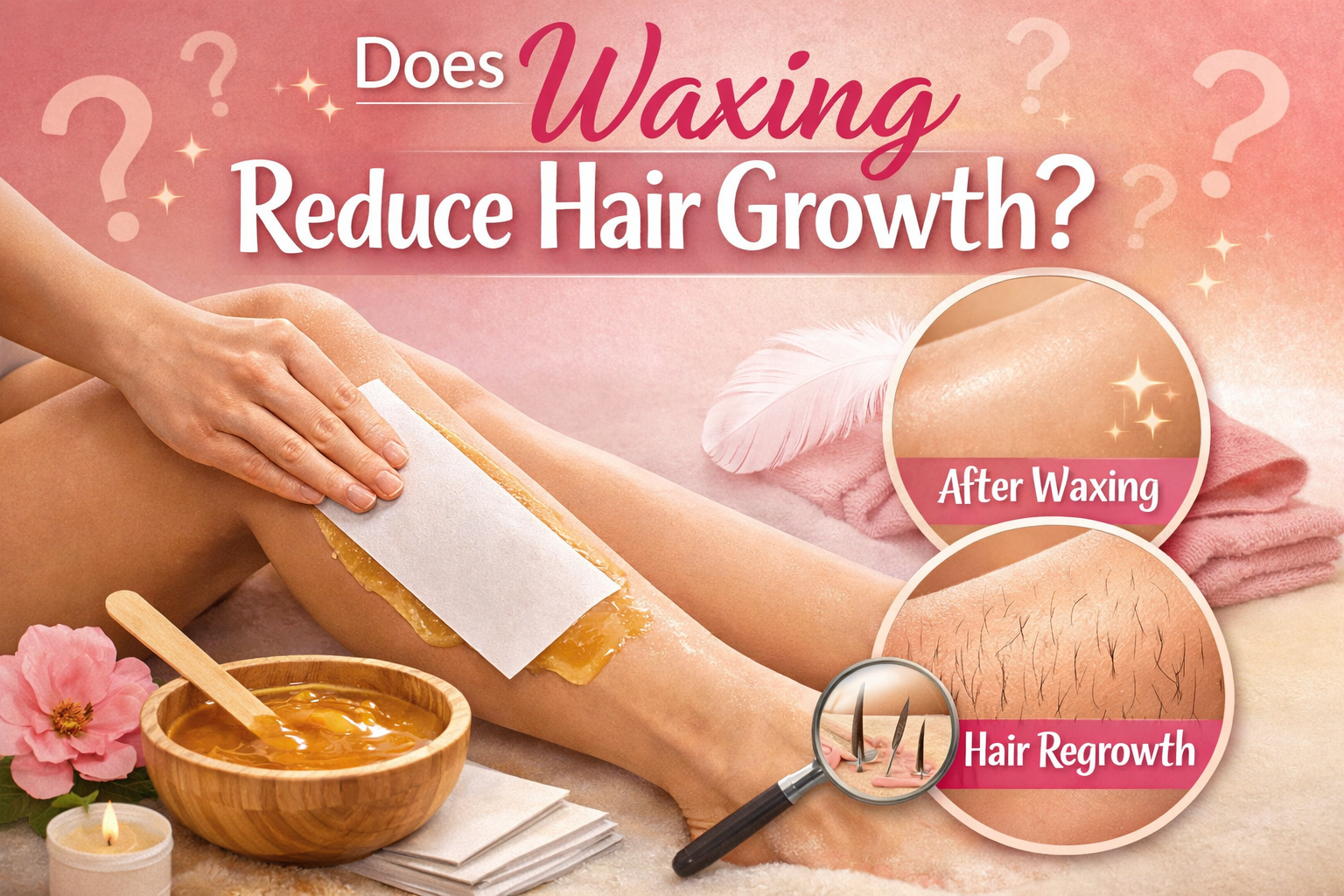
So, does waxing reduce hair growth over time? The short answer is yes. Regular waxing can lead to finer, sparser hair regrowth. This happens because waxing removes hair from the root, weakening the follicle over time.
✨ What You’ll Learn
- Can Waxing Reduce Hair Growth Over Time?
- How Does Waxing Work?
- How Waxing Affects Hair Growth Over Time
- How Many Waxing Sessions Until You See Less Hair?
- Benefits of Waxing Beyond Hair Reduction
- How Often Should You Wax?
- How Long Do Waxing Results Last?
- Common Myths About Waxing and Hair Growth
- Professional Waxing vs. Home Waxing
- Your Path to Smoother Skin Starts Here
- Frequently Asked Questions
15-30% Hair Regrowth Reduction After 6 Months
3-6 Weeks of Smooth Skin
10-25% Hair Diameter Decrease Over Time
4-6 Weeks Between Sessions
Can Waxing Reduce Hair Growth Over Time?
Yes, waxing can reduce hair growth with consistent treatments. However, it does not permanently stop hair growth.
When you wax regularly, you damage the hair follicle with each session. This damage is minor but cumulative. After several months, many people notice thinner, softer hair. Some follicles may even stop producing hair altogether.
The key is consistency. Seasonal waxing will not give you these results. You need treatments every 4 to 6 weeks to see fundamental changes.
| Timeline | What You Will Notice |
|---|---|
| First three sessions | Hair may feel softer |
| 3 to 6 months | Hair becomes finer and lighter |
| 6 to 12 months | Reduced density and slower regrowth |
How Does Waxing Work?
Waxing removes hair from the root. This is the key difference between waxing and shaving.
During a waxing session, warm wax grips the hair shaft. When pulled off, it removes the entire hair from below the skin surface. Shaving only cuts hair at the skin level. The root stays intact, which is why stubble appears within days.
With waxing, hair must regrow from the follicle. Most people enjoy smooth skin for 3 to 6 weeks after a session. When hair is pulled from the root, it causes minor trauma to the follicle. This trauma is what leads to long-term hair reduction.
According to the Cleveland Clinic, waxing pulls the entire hair strand, including the root, out of the follicle, which is why results last longer than shaving.
Ready for Smoother, Hair-Free Skin?
Experience professional waxing services that deliver long-lasting results.
How Waxing Affects Hair Growth Over Time
The science behind waxing and hair reduction centers on follicle damage. Each session stresses the follicle. Over time, this repeated stress weakens it.
A weakened follicle produces finer, lighter strands that are less noticeable. Clinical studies show hair regrowth can slow by 15 to 30 percent after six months. Hair strand diameter decreases by 10 to 25 percent over time.
Hair grows in three phases. Waxing is most effective during the anagen (growth) phase when hair is firmly rooted. When you wax consistently, you catch more hairs in this growth phase. This is why regular scheduling produces better results. If you are considering a bikini wax versus a Brazilian wax, understanding these growth cycles will help you plan your appointments.
Key Insight: Consistency is everything. Regular waxing every 4-6 weeks catches more hairs in the growth phase, leading to better long-term hair reduction results.
How Many Waxing Sessions Until You See Less Hair?
Most people notice changes after 3 to 4 consistent sessions. Significant hair reduction takes 6 to 12 months of regular waxing.
| Factor | Impact on Results |
|---|---|
| Hair type | Finer hair responds faster than coarse hair |
| Genetics | Some people have more resilient follicles |
| Hormones | Higher testosterone maintains stronger regrowth |
| Consistency | Regular sessions produce faster results |
Consistency is crucial. Skipping appointments or shaving between sessions disrupts the process and delays results.
Benefits of Waxing Beyond Hair Reduction
Smooth skin lasts 3 to 6 weeks with waxing compared to 1 to 3 days with shaving. This means less time spent on hair removal overall.
Waxing also acts as a natural exfoliant. When wax is removed, it takes dead skin cells with it. This leaves skin softer and more radiant.
Another benefit is fewer ingrown hairs. Shaving cuts hair at a blunt angle, making it easier to curl under the skin. Waxing removes hair with a tapered tip, significantly reducing ingrown hairs. For additional skin treatments in Baltimore, combining waxing with professional facials can enhance results.
How Often Should You Wax?
The ideal waxing frequency is every 4 to 6 weeks. Hair needs to be about 1/4 inch long for the wax to grip effectively.
According to Scientific American, excessive waxing that tears hair from the root can eventually reduce growth from certain follicles due to repeated trauma.
| Body Area | Recommended Frequency |
|---|---|
| Eyebrows | Every 2 to 4 weeks |
| Upper lip and chin | Every 3 to 4 weeks |
| Bikini area | Every 4 weeks |
| Legs | Every 4 to 6 weeks |
Experience the Difference of Professional Waxing
Our licensed estheticians use premium products for comfortable, long-lasting results.
How Long Do Waxing Results Last?
Most people enjoy smooth skin for 3 to 6 weeks after waxing. This is much longer than the 1-3 days required after shaving.
With regular waxing, results last even longer. As follicles weaken, hair takes more time to regrow. Many long-term waxers report going 6 to 8 weeks between appointments. For those exploring other hair removal options, understanding how waxing compares to shaving can help you decide.
Common Myths About Waxing and Hair Growth
Myth: Waxing Makes Hair Grow Back Thicker
This is false. Waxing weakens hair follicles over time, resulting in finer, softer hair and helping you feel more confident about the process.
Myth: Waxing Permanently Stops Hair Growth
Waxing significantly reduces hair growth but is not permanent. Some follicles may become dormant after years of waxing. For permanent removal, laser treatment or electrolysis is required.
Myth: Waxing Too Often Damages Skin
When done correctly by a professional, regular waxing does not damage healthy skin. It actually exfoliates and can improve texture. If you are concerned about skin sensitivity, many clients combine waxing with dermaplaning treatments for smoother skin.
Professional Waxing vs. Home Waxing
Both options can work, but professional waxing offers more effective long-term results and greater safety, building confidence in expert care.
| Factor | Professional Waxing | Home Waxing |
|---|---|---|
| Technique | Expert and consistent | Varies by skill level |
| Hair reduction | More effective long-term | Less consistent results |
| Safety | Lower risk of burns | Higher risk without training |
DIY waxing can break hair at the surface rather than removing it from the root. This disrupts growth cycles and slows progress. At Green Relief Health, our experienced waxing specialists in Baltimore use high-quality products for optimal results.
Trust the Experts for Best Results
Professional waxing ensures proper technique and long-lasting hair reduction.
Your Path to Smoother Skin Starts Here
Regular waxing can truly reduce hair growth over time. Repeated waxing weakens hair follicles, leading to finer, sparser regrowth.
The key is consistency. Stick to your schedule every 4 to 6 weeks. Avoid shaving between appointments. Choose a professional who uses proper techniques.
At Green Relief Health in Maryland, our licensed estheticians specialize in comfortable, effective waxing services for all skin types. Ready to experience smoother skin and reduced hair growth? Book your professional waxing appointment online at Green Relief Health today.
Start Your Journey to Smoother Skin Today
Join countless clients who have achieved long-lasting hair reduction with our professional waxing services.
Frequently Asked Questions
Does Waxing Eventually Stop Hair Growth Completely?
No, waxing does not permanently stop hair growth. It can significantly reduce hair density and thickness over time. Some follicles may become dormant after years of consistent waxing.
Can Hair Get Thinner Over Time With Waxing?
Yes, hair typically becomes thinner with regular waxing. The repeated trauma weakens follicles. Many people notice finer hair after 6 to 12 months of consistent treatments.
Is Waxing Better Than Shaving For Reducing Hair?
Yes, waxing is more effective for long-term hair reduction. Shaving only cuts hair at the surface. Waxing removes hair from the root, which weakens follicles over time.
Is Waxing Safe For All Skin Types?
Waxing is generally safe for most skin types when performed correctly. People with sensitive skin or certain conditions may need precautions. A professional esthetician can assess your skin and recommend the best approach.
↑