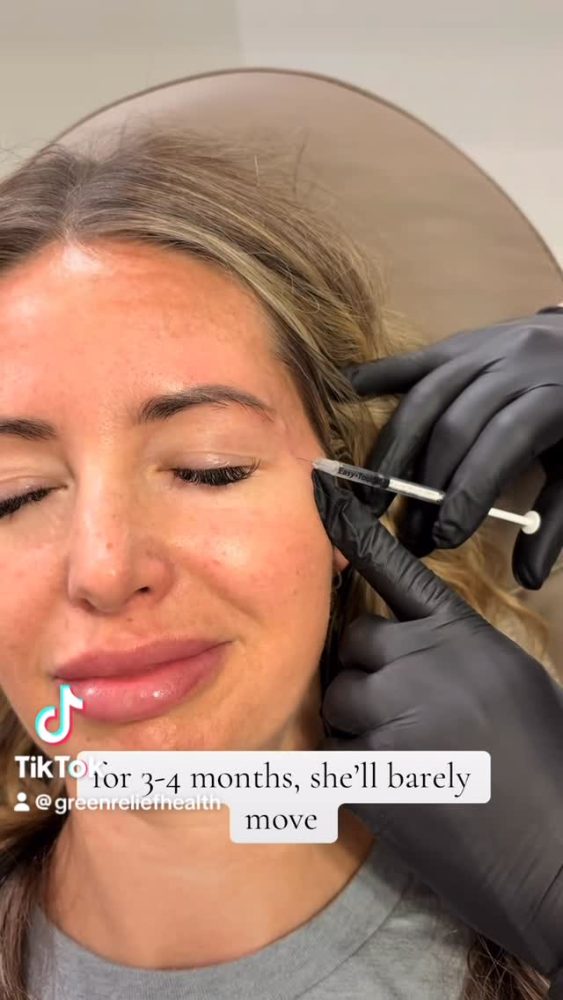
Lip fillers have become a popular cosmetic treatment for enhancing the appearance of lips by adding volume, improving symmetry, and reducing fine lines. Whether you’re opting for lip fillers to achieve a fuller pout or smooth out wrinkles around the mouth, the results can be impressive.
However, achieving the best possible outcome from your lip filler treatment depends not only on choosing a skilled practitioner but also on following proper aftercare instructions.
Aftercare is a crucial part of ensuring that your lip fillers heal correctly, and the results last as long as possible. In this article, we will cover essential aftercare tips, what to expect during the recovery process, and when to seek medical advice.
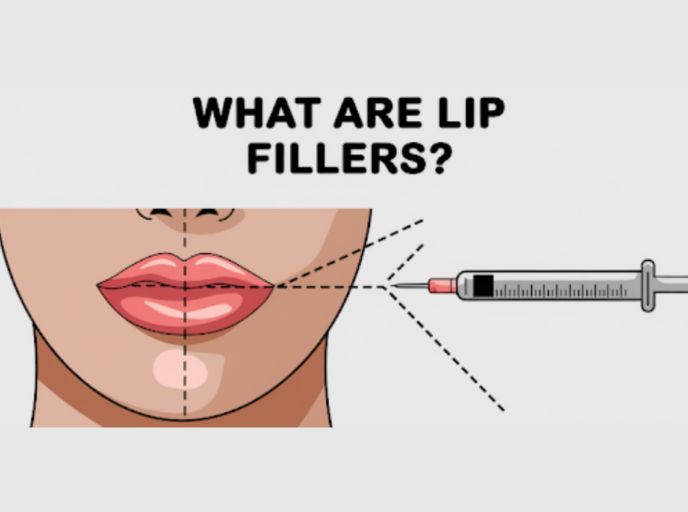
What Are Lip Fillers?
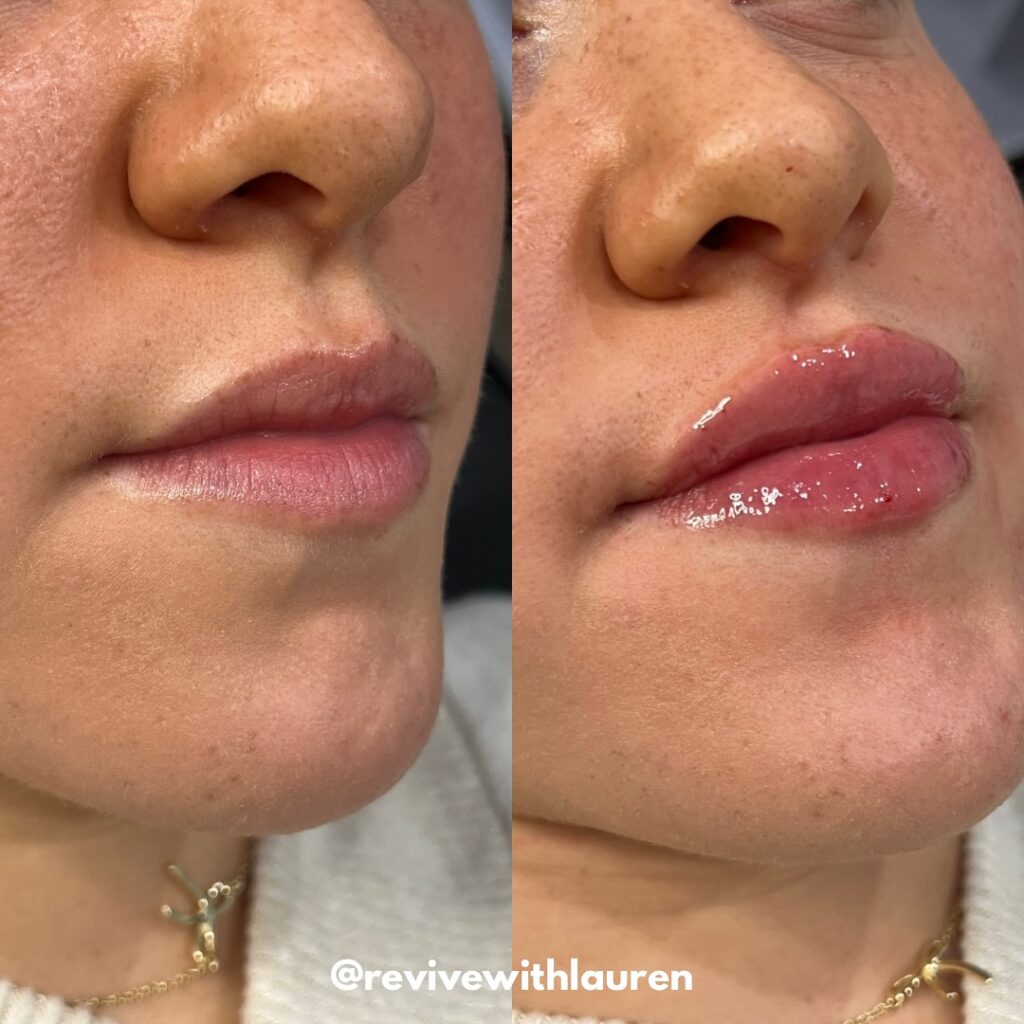
Lip fillers are injectable treatments used to enhance the volume and shape of the lips. The most common type of lip filler contains hyaluronic acid, a naturally occurring substance in the body that helps retain moisture, giving the lips a fuller, more hydrated look. There are also collagen-based and other synthetic fillers, though hyaluronic acid fillers are the most widely used for lip augmentation.
Lip fillers are a non-surgical solution, making them a popular choice for those looking to enhance their appearance with minimal downtime. The results are not permanent, usually lasting between six months to a year, depending on factors like the type of filler used, your metabolism, and how well you care for your lips afterward.
Why Aftercare Is Important
Aftercare is essential for several reasons:
- Maximizing Results: Proper aftercare helps ensure that the filler settles evenly and produces the best possible aesthetic results.
- Minimizing Risks: Following the right aftercare steps can reduce the risk of swelling, bruising, and infections.
- Long-Lasting Effects: With the right care, you can enjoy the benefits of your lip fillers for a longer time before needing a touch-up.
Immediate Aftercare: First 24-48 Hours
The first 24-48 hours after your treatment are critical for the healing process. Here’s what you should and shouldn’t do during this period.
Do’s
- Apply Ice: To minimize swelling and bruising, gently apply an ice pack or cold compress to your lips in 10-minute intervals. Never apply ice directly to the skin – always wrap it in a cloth or towel.
- Elevate Your Head: When sleeping, keep your head elevated on a pillow to help reduce swelling.
- Hydrate Your Lips: Use a recommended lip balm or moisturizer to keep your lips hydrated. Avoid products with harsh chemicals or strong fragrances.
- Rest: Give your body time to heal by avoiding strenuous physical activities during the first couple of days.
Don’ts
- Avoid Touching Your Lips: Refrain from touching, rubbing, or massaging your lips to avoid disrupting the filler.
- No Makeup: Avoid applying makeup, especially lipstick or lip gloss, to the treated area for at least 24 hours to prevent infection.
- Skip Alcohol: Alcohol can increase swelling and bruising, so it’s best to avoid it for at least the first 24 hours.
- Don’t Smoke: Smoking can restrict blood flow and slow down the healing process, so it’s advisable to refrain from smoking during the recovery phase.
General Aftercare: 1 Week Post-Treatment
During the first week after your lip filler treatment, it’s common to experience some swelling and bruising, but these should gradually subside. Here’s how to continue caring for your lips:
Swelling and Bruising
- Swelling usually peaks within the first 48 hours after the treatment but will start to subside within a few days. To manage it, continue applying ice packs during the first 24-48 hours.
- Bruising may appear around the injection sites, but it typically fades within a week or two. If bruising persists, consider using arnica gel, which is known to reduce bruising.
- Don’t Panic: Mild discomfort, swelling, and bruising are normal and temporary. If you experience any severe pain, an unusual amount of swelling, or infection signs, consult your practitioner.
Hydration
- Drink plenty of water to keep your body hydrated, which also helps your skin and lips heal faster.
- Avoid spicy or salty foods, which can irritate your lips and prolong healing.
Avoid Heat and Sun Exposure
- For the first week, avoid hot showers, saunas, and exposure to direct sunlight, as heat can increase swelling and cause the filler to break down faster.
- Apply a lip balm with sunscreen when going outdoors to protect your lips from harmful UV rays.
Avoiding Certain Activities
During the first week, there are certain activities you should avoid to ensure that the filler settles properly and heals without complications.
- Strenuous Exercise: Refrain from intense physical activity, including heavy lifting, running, or yoga. Exercise can increase blood flow and raise the risk of swelling and bruising.
- Sleeping Position: Sleep on your back with your head elevated to avoid pressure on the treated area.
- Kissing and Oral Activities: It’s best to avoid kissing, sucking, or any activity that places pressure on your lips for the first few days.
Long-Term Aftercare (1-4 Weeks)
After the first week, you can slowly return to your normal routine, but it’s still important to take care of your lips for the following weeks.
- Avoid Massage: Do not apply pressure or massage the lip area during the healing process. Deep facial massages should be avoided for at least a month.
- Skin Care: Avoid using harsh skin care products near the lip area, especially exfoliants or retinoids. These can irritate the skin and affect the filler’s longevity.
Signs to Watch For
While side effects like mild swelling, redness, and bruising are typical, there are certain signs that require medical attention:
- Infection: Symptoms of infection include severe pain, redness, warmth, or pus.
- Prolonged Swelling or Lumps: If swelling doesn’t subside after a few days or if you notice lumps that don’t go away, contact your provider for advice.
Possible Side Effects and How to Manage Them
Most side effects after lip filler treatment are mild and temporary:
- Swelling: This is common but will reduce within a few days. Applying a cold compress can help.
- Bruising: Bruising can last up to a week or two. If bruising is excessive, consult your practitioner.
- Numbness or Tenderness: Mild tenderness is common, but if numbness persists for more than a few days, contact your provider.
When to Contact Your Practitioner
It’s important to reach out to your healthcare provider if you notice any of the following:
- Persistent or increasing pain or swelling
- Uneven lip results
- Signs of infection (fever, excessive redness, or discharge)
- Lumps or bumps that don’t disappear within a few weeks
Conclusion
Lip fillers are a great way to enhance the natural appearance of your lips, but proper aftercare is key to ensuring the best possible results. By following the steps outlined in this article, you can minimize complications, extend the lifespan of your fillers, and enjoy beautiful, plump lips for months. If you’re considering lip fillers, always consult a qualified and experienced practitioner, and remember that aftercare is just as important as the treatment itself.
Taking care of your lips in the days and weeks after treatment will help you achieve and maintain the smooth, full appearance you desire while keeping them healthy and radiant.