Updated July 2026 Clinician Reviewed Baltimore, MD
Mild soreness, tenderness, swelling, bruising, or a short-lived headache can occur after Botox or another botulinum toxin injection. These symptoms are usually related to the needle and local tissue irritation rather than proof that the toxin has “spread.”
Quick answer Mild pain located at an injection site that improves rather than worsens is usually not an emergency. A cool compress, avoiding rubbing, and following your injector’s instructions may help. Contact the treating clinician when pain is severe, increasingly one-sided, lasts longer than expected, or appears with spreading redness, warmth, pus, fever, weakness, drooping, or vision changes. Seek emergency care for difficulty breathing, swallowing, or speaking; generalized muscle weakness; or signs of a serious allergic reaction.
Pain after Botox should be judged by its location, intensity, timing, associated symptoms, treatment area, and whether the trend is improving. “It hurts” is less informative than “a mild tender spot is fading” or “severe pain and redness are worsening on day three.”
This guide focuses mainly on cosmetic facial injections. Pain patterns can be different after medical treatment for chronic migraine, cervical dystonia, spasticity, excessive sweating, jaw clenching, or another condition because the number, depth, and location of injections differ.
Have a Question About a Recent Botox Treatment?
Contact the clinician who performed the procedure for personalized advice. New patients can schedule a consultation to discuss candidacy, comfort options, risks, and aftercare before treatment.
Book a Consultation This booking link is not an emergency service
Mild Most routine injection-site reactions
Temporary Typical soreness, redness, or swelling
9% Headache in FDA forehead-line trials
Hours–weeks Possible window for serious toxin-spread symptoms
Is Pain After Botox Normal?
Some discomfort can be expected whenever a needle passes through skin. The American Academy of Dermatology lists soreness, redness, swelling, bruising, and an uncommon mild headache among possible temporary reactions after cosmetic botulinum toxin injections.
Usually mild
Expected Local Reaction
A small tender spot, mild sting, light pressure, minor swelling, or a bruise near an injection site that begins soon after treatment and gradually improves.
Call the provider
Needs Clinical Review
Pain that is moderate or severe, continues to worsen, interferes with normal function, lasts beyond the clinic’s expected window, or is accompanied by increasing redness, warmth, drainage, significant asymmetry, or new weakness.
Urgent evaluation
Eye or Neurologic Symptoms
New persistent blurred or double vision, severe eye pain, inability to close an eye, marked drooping, facial weakness, slurred speech, fainting, or a severe unusual headache with neurologic symptoms.
Emergency care
Breathing, Swallowing, or Allergy Symptoms
Trouble breathing, swallowing, or speaking; generalized weakness; wheezing; widespread hives; swelling of the lips, tongue, or throat; or dizziness with a possible serious allergic reaction.
The word “Botox” is often used broadly Botox is a brand of onabotulinumtoxinA. Dysport, Xeomin, Jeuveau, Daxxify, and other products are different preparations. Potency units are product-specific and should not be directly compared or converted.
Common Types of Pain and Discomfort After Botox
Injection-Site Tenderness
Usually feels like a small bruise, pinprick, pressure point, or sore spot. It is often most noticeable when the area is pressed.
Bruise-Related Ache
A needle can injure a small blood vessel, causing localized discoloration, swelling, and tenderness. The bruise may look worse before it fades.
Headache or Forehead Pressure
A headache can occur after facial injections. In FDA forehead-line trials, headache was reported in 9% of BOTOX Cosmetic participants versus 5% receiving placebo.
Muscle Heaviness or Tightness
As targeted muscles weaken, some people notice unfamiliar pressure, heaviness, or altered movement. Significant weakness or functional difficulty requires provider review.
Neck or Shoulder Pain
This is more relevant after chronic-migraine, cervical-dystonia, or neck-area injections than after a small cosmetic forehead treatment.
Jaw or Chewing Discomfort
After masseter treatment, an injection-site ache or temporary chewing fatigue may occur. Severe pain, inability to open the mouth, major bite change, or progressive weakness is not a routine cosmetic result.
Mild local tenderness is usually a needle-site issue. Severe, spreading, progressive, or function-changing pain deserves a medical assessment.
Typical Pain and Recovery Timeline
There is no single evidence-based rule that all Botox pain peaks at exactly 24 hours or resolves within a fixed number of days. The timeline depends on the treatment area, number of injections, underlying condition, bruising, and individual response.
During and Immediately After Injection
A brief pinch, sting, pressure, small bump, redness, or pinpoint bleeding can occur. Cool compresses may be used gently when recommended.
First 24 Hours
Minor tenderness, swelling, bruising, or a mild headache may be present. Symptoms should generally remain manageable rather than becoming rapidly more severe.
Days 2–3
Many simple injection-site reactions begin improving. A bruise may become more visible as its color develops. Increasing heat, spreading redness, pus, fever, or escalating pain is not a typical healing pattern.
Days 4–7
Residual bruising can remain. Persistent or worsening pain, new weakness, eye symptoms, or functional changes should be discussed with the treating clinician.
Hours to Weeks: Rare Serious Symptoms
The FDA boxed warning states that distant botulinum toxin effects can occur hours to weeks after injection and may include generalized weakness, double vision, drooping, speech changes, trouble swallowing, or trouble breathing.
Trend matters more than the calendar alone A mild bruise that is slowly fading can be less concerning than severe pain that is escalating within a few hours. Contact the provider when the pattern does not match the instructions you were given.
Why the Botox Treatment Area Matters
Forehead and Frown Lines
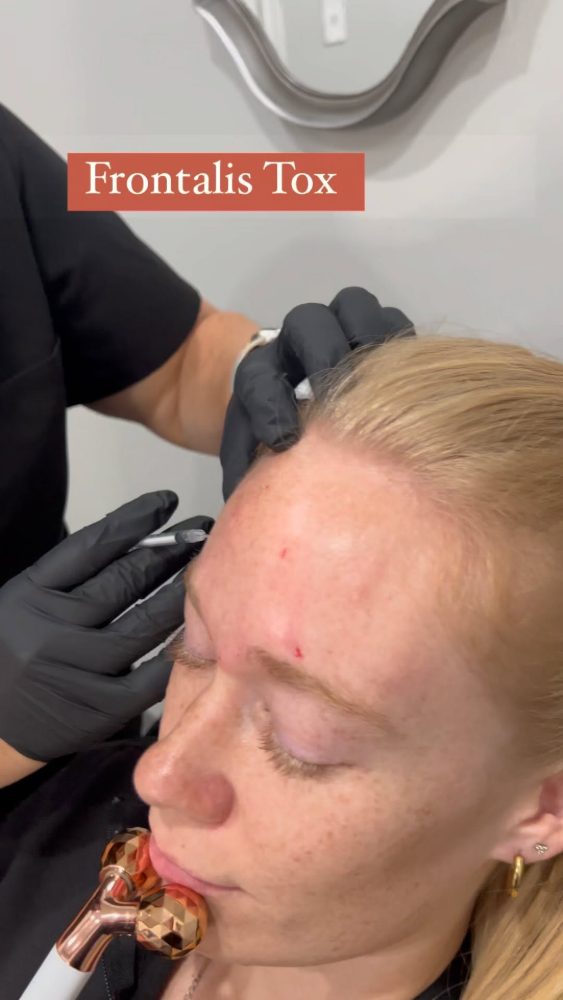
Potential symptoms include injection-site tenderness, headache, pressure, brow heaviness, or unintended eyelid/brow drooping.
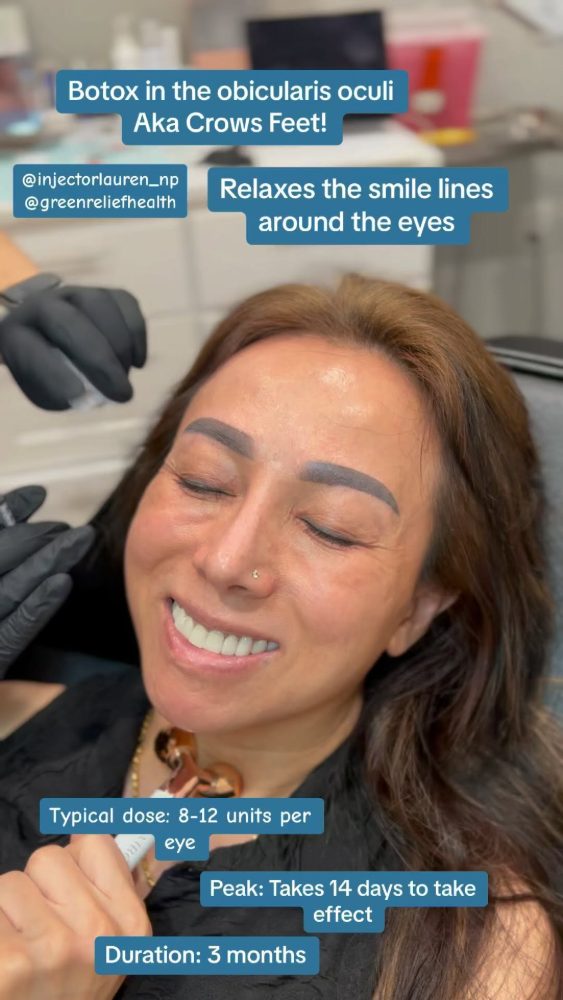
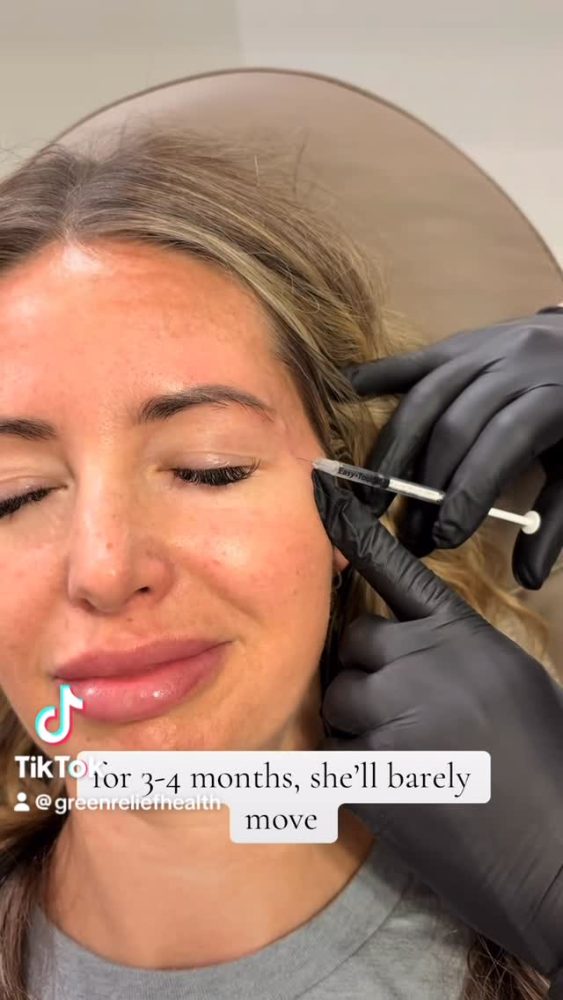
Crow’s Feet or Near the Eyes
Watch for persistent eye irritation, light sensitivity, inability to close the eye, dry eye, drooping, blurred vision, or double vision.
Masseter or Jaw
Temporary local soreness or chewing fatigue may occur. Progressive jaw pain, significant chewing difficulty, marked smile asymmetry, or trouble opening the mouth needs assessment.
Neck and Trapezius
Neck pain or weakness can be more significant when larger muscles are treated. New head-control difficulty, swallowing changes, or respiratory symptoms require urgent attention.
Chronic Migraine Protocol
Many sites across the head and neck are injected. Headache, neck pain, and localized soreness should be interpreted with the underlying migraine condition and treatment protocol in mind.
Underarms, Hands, or Feet
These areas may feel more sensitive because of the number of injections and local nerve density. Ask about numbing and pain-control options before treatment.
What to Do for Mild Pain After Botox
1. Follow the Injector’s Instructions
The treating clinician knows the product, dose, location, technique, and your medical history. Their written instructions should take priority over a generic internet checklist.
2. Use a Cool Compress Gently
A cool pack wrapped in a clean cloth may reduce tenderness and swelling. Cleveland Clinic advises limiting ice application to about 10 minutes at a time.
3. Avoid Rubbing or Massage
Gentle touching and careful washing are different from pressing, rubbing, or massaging. Avoid forceful manipulation unless the treating clinician specifically instructs otherwise.
4. Rest and Hydrate Normally
Drink according to your normal needs and rest if a mild headache is present. Excess water does not “flush Botox out,” and dehydration should be avoided.
5. Photograph Visible Changes
Clear photos can help the clinician compare swelling, bruising, redness, drooping, or asymmetry over time.
6. Call Rather Than Guess
Contact the practice when pain is bothersome, unexpected, or associated with another symptom. Do not self-treat weakness or attempt to redistribute the product.
Do not massage Botox to “spread it evenly” Massage is not a pain treatment and is not used to distribute neuromodulator evenly after injection. The American Society of Plastic Surgeons and AAD advise against rubbing or massaging treated areas because unintended diffusion can cause temporary weakness or drooping.
Can You Take Pain Medicine After Botox?
The safest option depends on allergies, liver and kidney health, ulcers, bleeding risk, pregnancy, alcohol use, other medicines, and why Botox was administered.
| Option | Potential Role | Important Cautions |
|---|---|---|
| Acetaminophen | May be an option for mild pain or headache when medically appropriate | Avoid exceeding the label dose; ask a clinician or pharmacist if you have liver disease, heavy alcohol use, allergy, or take another product containing acetaminophen |
| Ibuprofen, naproxen, or aspirin | May reduce pain for some people | Can increase bruising or bleeding in some patients and may be unsafe with ulcers, kidney disease, anticoagulants, pregnancy, or other conditions; ask your clinician |
| Prescription pain medicine | Usually unnecessary after routine cosmetic Botox | Severe enough pain to require a prescription deserves assessment of the cause rather than automatic symptom masking |
| Arnica or supplements | Often marketed for bruising | Evidence and product quality vary; supplements can interact with medicines or affect bleeding |
Do not stop a prescribed blood thinner to reduce cosmetic bruising Aspirin, anticoagulants, or antiplatelet medicines may prevent a stroke, clot, or heart event. Never stop or change a prescribed medicine without approval from the clinician who manages it.
Evidence-Based Aftercare and Common Myths
Can You Wash or Touch Your Face?
Gentle washing and light contact are generally different from rubbing or massaging. Cleveland Clinic notes that face washing is acceptable when done carefully. Avoid harsh pressure over fresh injection sites.
Must You Stay Upright?
Many cosmetic practices advise remaining upright for several hours. Cleveland Clinic describes three to four hours as a common precaution. Evidence for many strict positioning rules is limited, so follow the treating clinician’s protocol.
Can You Exercise?
AAD recommends waiting two hours before strenuous physical activity. Some practices advise a longer interval, mainly because exercise can raise blood pressure and increase bruising or swelling. Follow your injector’s instructions, particularly after larger medical-treatment protocols.
Should You Make Facial Expressions?
Normal facial expression is generally acceptable. There is no need to repeatedly contract the treated muscles to “activate” the Botox, and exaggerated exercises are not a treatment for pain.
Can You Get a Facial or Massage?
Facial massage and procedures involving significant pressure are commonly delayed for at least 24 hours or longer when swelling or bruising persists. Confirm timing with the treating practice.
Aftercare does not determine every complication Technique, anatomy, product placement, dose, and underlying health often matter more than minor everyday movement. Following instructions is important, but a patient should not be blamed automatically when an adverse effect occurs.
Planning a Future Botox Treatment?
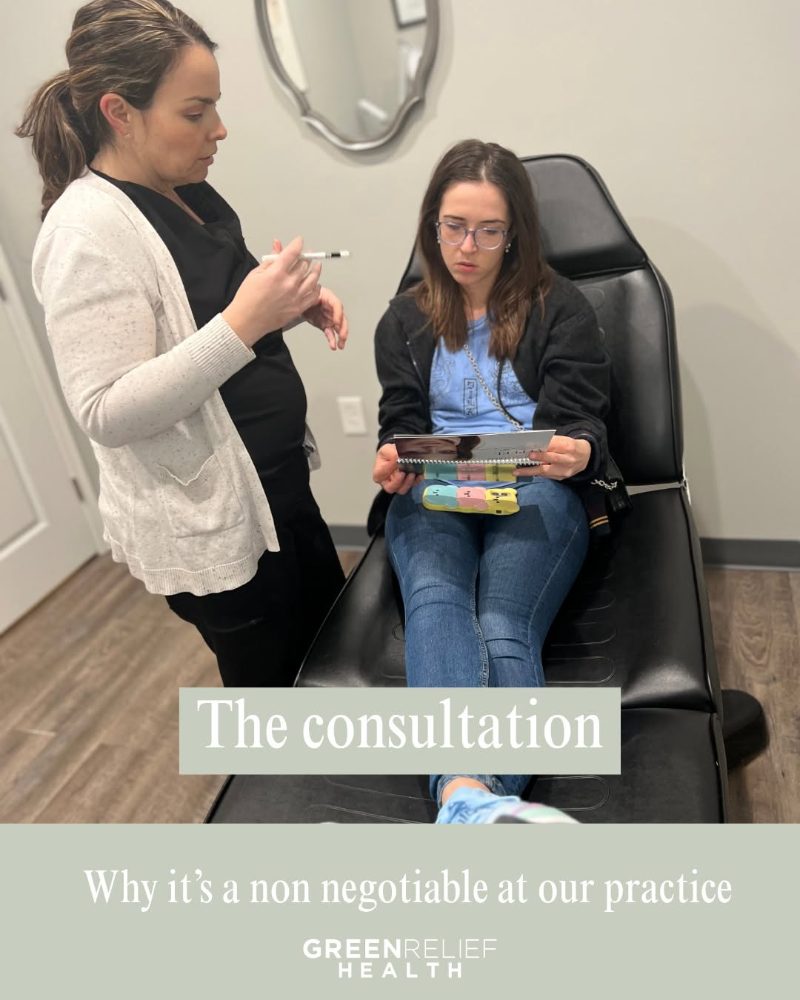
A consultation can review your prior pain response, medicines, treatment area, numbing options, product choice, and the symptoms that should trigger follow-up.
Schedule an Evaluation No cosmetic treatment can be guaranteed pain-free
When to Call the Botox Injector
Contact the practice that performed the injections when you are uncertain. A same-day or prompt call is appropriate for:
- Pain that is moderate, severe, or increasing rather than improving
- A headache that is severe, unusual for you, persistent, or not responding to the plan you were given
- Spreading redness, warmth, swelling, pus, fever, or chills
- Marked one-sided swelling or a rapidly expanding bruise
- New drooping, asymmetry, smile change, chewing difficulty, or neck weakness
- Persistent numbness, burning, electric-shock pain, or unusual sensory changes
- Eye irritation, inability to close the eye, light sensitivity, or visual symptoms
- Pain that continues beyond the recovery window described by your clinician
- Concern about the product source, dose, injector, or treatment setting
Information to Give the Clinician
- Date and time of treatment
- Product name, if known
- Areas treated and why
- When the pain started
- Pain severity from 0 to 10
- Whether it is improving or worsening
- Associated redness, fever, weakness, drooping, vision change, or swallowing/breathing symptoms
- Medicines taken since treatment
- Clear photographs when visible changes are present
When Pain Requires Urgent or Emergency Care
The current FDA prescribing information carries a boxed warning about distant spread of botulinum toxin effects. Symptoms can occur hours to weeks after injection.
Call emergency services or seek emergency care for:
- Trouble breathing, swallowing, or speaking
- Generalized muscle weakness or inability to hold up the head
- Wheezing, throat tightness, widespread hives, facial/tongue swelling, or faintness suggesting a serious allergic reaction
- New severe neurologic symptoms such as slurred speech, profound weakness, confusion, seizure, or loss of consciousness
Urgent eye or headache evaluation may be needed Seek prompt medical assessment for a sudden severe “worst” headache, headache with weakness or speech change, persistent double or blurred vision, severe eye pain, a red light-sensitive eye, or inability to close the eye. Do not assume every symptom is caused by Botox; unrelated emergencies can occur after a cosmetic appointment.
Bruise, Infection, Nerve Pain, or Something Else?
| Pattern | Possible Explanation | Suggested Action |
|---|---|---|
| Tender blue, purple, or yellow spot | Small bruise or hematoma | Monitor and use gentle cool compresses if advised; contact the clinic if it expands rapidly or pain is severe |
| Increasing redness, warmth, swelling, pus, fever | Possible infection | Contact a healthcare professional promptly; do not massage or attempt to drain it |
| Burning, shooting, electric, or numb sensation | Possible nerve irritation or another neurologic cause | Contact the treating clinician for assessment, especially if persistent or associated with weakness |
| Pressure with drooping or asymmetry | Muscle imbalance or unintended weakening | Contact the injector; do not add more toxin or massage the area yourself |
| Severe headache, fever, stiff neck, neurologic symptoms | Could reflect a condition unrelated to routine Botox soreness | Seek urgent medical evaluation |
A temporal association does not prove causation. Dental pain, sinusitis, migraine, eye disease, shingles, infection, stroke, and other conditions can begin after an appointment by coincidence. Severe or unusual symptoms need diagnosis, not reassurance based only on timing.
How to Reduce Discomfort at a Future Treatment
- Tell the clinician exactly what hurt, where, how long it lasted, and whether bruising or headache occurred.
- Discuss needle anxiety, fainting history, migraine, jaw pain, dry eye, and prior neurologic symptoms.
- Ask whether a cool pack, vibration, distraction, topical anesthetic, or another comfort method is appropriate.
- Ask whether fewer injection sites, a staged treatment, or a different approach could still meet the goal.
- Eat and hydrate normally unless the clinic provides different instructions.
- Provide a complete medicine and supplement list rather than independently stopping products.
- Schedule when you can contact the practice and monitor symptoms afterward.
- Avoid counterfeit, unapproved, or online-purchased injectable products.
First-time treatment is not proven to hurt more Anxiety and uncertainty can affect pain perception, but there is no reliable rule that muscles must “adapt” to toxin before future injections become less painful. Each visit can feel different based on site, technique, inflammation, and individual circumstances.
Choosing a Qualified Botox Provider
Botulinum toxin is a prescription medicine. Choose a licensed medical professional who is trained in the intended treatment area and works in an appropriate clinical setting.
Questions to Ask
- Which product will be used, and is it FDA-approved?
- What symptoms are expected for this treatment area?
- How should I contact the clinic after hours?
- What is the plan if I develop severe pain, weakness, drooping, or visual symptoms?
- Are my medicines or health conditions relevant to bruising or neuromuscular effects?
- Is the proposed use FDA-approved or off-label?
Red Flags
- Injections at a party, home, hotel, salon, or non-medical setting
- No medical history, consent process, or discussion of risks
- Unlabeled, counterfeit, imported, prefilled, or online-purchased toxin
- Guarantees of a completely painless procedure or zero complications
- No follow-up contact pathway
- Pressure to add injections when you are reporting pain or weakness
Frequently Asked Questions
Is soreness after cosmetic Botox normal?
Mild tenderness, redness, swelling, or bruising at an injection site can occur and is usually temporary. Pain that is severe, progressive, or accompanied by other symptoms should be reviewed by the treating clinician.
How long should pain after Botox last?
There is no universal fixed duration. Minor needle-site tenderness often improves over the first few days, while a bruise may remain visible longer. Contact the clinician if pain is worsening, persistent, severe, or outside the timeline they provided.
Can Botox cause a headache?
Yes. Headache is a recognized adverse reaction. In FDA forehead-line trials, headache occurred in 9% of BOTOX Cosmetic participants compared with 5% receiving placebo. A severe, unusual, or neurologically complicated headache needs medical evaluation.
Can I put ice on a painful Botox injection site?
A cool pack wrapped in a clean cloth may help mild swelling or tenderness when applied gently. Cleveland Clinic suggests about 10 minutes at a time. Do not press hard or rub the area.
Can I take Tylenol after Botox?
Acetaminophen may be appropriate for some adults, but it is not safe for everyone and can be hidden in combination medicines. Ask a clinician or pharmacist when you have liver disease, heavy alcohol use, allergy, pregnancy, or take other medicines.
Can I take ibuprofen after Botox?
Ibuprofen may increase bruising in some people and can be unsafe with kidney disease, ulcers, anticoagulants, pregnancy, or other conditions. Ask the treating clinician or pharmacist rather than assuming it is either always safe or always prohibited.
Should I massage a sore Botox area?
No, not unless the treating clinician specifically directs you. Rubbing or massage can contribute to unintended diffusion and is not a method for evenly distributing Botox.
Why does the bone under an injection feel sore?
A superficial bruise, local tissue irritation, or contact near the periosteum may produce a tender focal spot. Persistent, severe, or worsening pain should be examined rather than diagnosed online.
Is jaw soreness normal after masseter Botox?
Mild injection-site soreness or temporary chewing fatigue may occur. Contact the clinician for severe pain, inability to open the mouth, major bite change, progressive chewing weakness, or significant smile asymmetry.
What does an infected Botox injection site look like?
Possible signs include worsening redness, warmth, swelling, tenderness, drainage or pus, fever, or red streaking. Infection requires prompt clinical evaluation; do not squeeze, puncture, or massage the area.
Can serious Botox effects begin several days later?
Yes. The FDA boxed warning states that distant toxin-effect symptoms have been reported hours to weeks after injection. Seek immediate care for trouble breathing, swallowing, or speaking, generalized weakness, or other serious neurologic symptoms.
Should I receive more Botox to correct pain or tightness?
Do not add more toxin without an in-person assessment. Pain may come from bruising, infection, nerve irritation, muscle imbalance, migraine, or an unrelated condition, and each requires a different response.
Related Green Relief Health Guides
Medical References
- U.S. Food and Drug Administration. BOTOX Cosmetic (onabotulinumtoxinA) Prescribing Information and Medication Guide. Revised October 2024.
- American Academy of Dermatology. Botulinum Toxin Therapy: FAQs.
- American Academy of Dermatology. Botulinum Toxin Therapy: Preparation.
- American Society of Plastic Surgeons. Botulinum Toxin Risks and Safety.
- American Society of Plastic Surgeons. Botulinum Toxin Recovery.
- Cleveland Clinic. Botox Aftercare: The Dos and Don’ts.
- Cleveland Clinic. Botulinum Toxin Injections: Uses, Procedure, Risks and Recovery.
- Mayo Clinic. Botox Injections.
Discuss Botox Safety, Comfort, and Aftercare
A qualified provider can review your goals, previous reactions, medicines, treatment area, and individualized follow-up plan.
Book Your Appointment Green Relief Health · Call (410) 368-0420
Medical disclaimer: This article provides general education and cannot determine the cause of an individual’s pain. It does not replace evaluation by the clinician who performed the injections or emergency medical care. Call emergency services for breathing or swallowing difficulty, generalized weakness, severe allergic symptoms, loss of consciousness, or other life-threatening symptoms. Do not start, stop, or change medicines based only on this page.
Pain After Botox: What Is Normal vs. When to Call
Mild tenderness, a small bruise, or a short-lived headache can happen after Botox injections. Pain that is severe, spreading, associated with weakness, breathing or swallowing trouble, vision changes, fever, or signs of infection should be reviewed urgently. If symptoms feel unusual for your body, contact the treating clinician instead of waiting for the next appointment.
For related recovery questions, read our Botox recovery time guide, our Botox treatment expectations guide, and the Baltimore Botox service page.