What should you expect from testosterone replacement therapy (TRT)? This guide strips away myths, laying out the facts on how it can help men with certain conditions linked to low testosterone levels. By understanding the benefits and recognizing the risks, you can make an informed choice about the right step.
We’re here to equip you with the necessary knowledge, steering clear from medical overstatements and sales pitches.
Key Takeaways
- Testosterone therapy is suitable for many men and should involve a doctor’s assessment of hormone levels.
- While testosterone therapy may offer improvements in libido, muscle strength, and other health aspects, it is not a universal remedy for all aging symptoms and comes with some potential risks.
- TRT involves carefully administered testosterone and ongoing monitoring, with benefits extending beyond sexual function and including mood, mental clarity, and overall quality of life.
Decoding Testosterone Therapy: What It Entails and Who It’s For
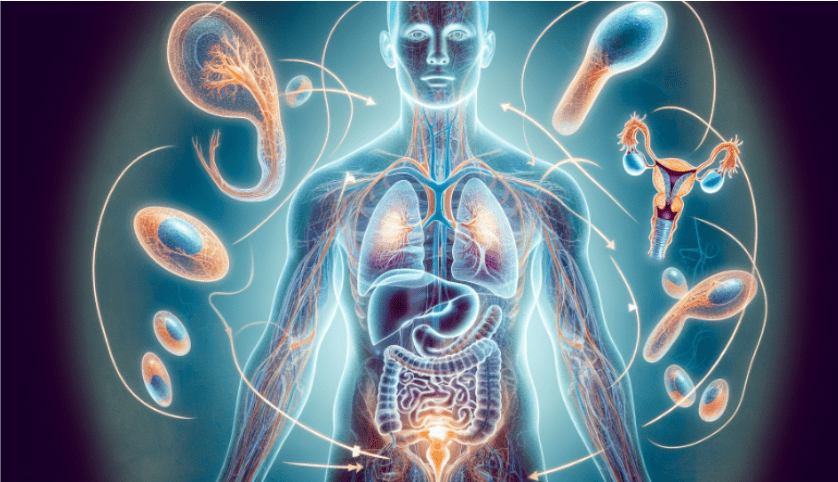
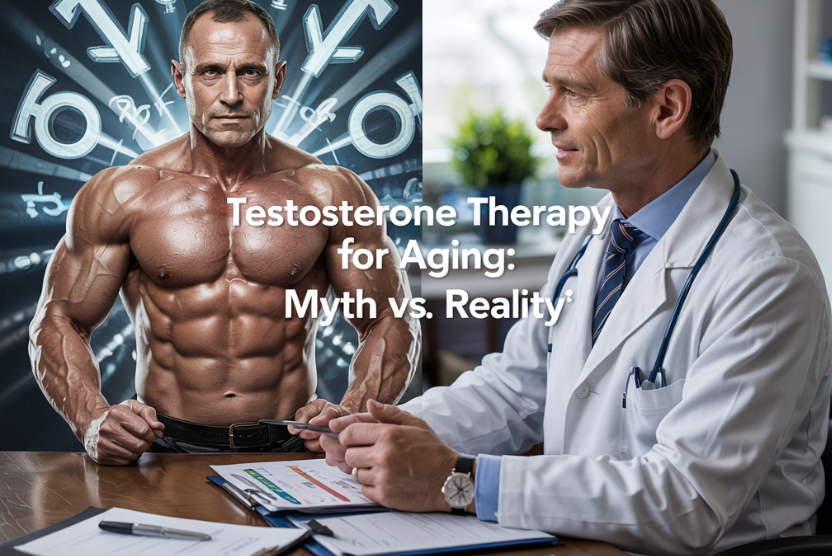
Testosterone therapy, often seen as a beacon of hope for men grappling with the trials of age, aims to replenish the waning levels of this pivotal hormone.
But who exactly stands to benefit from this hormone resurgence? Primarily, it’s the men facing the stark reality of lower testosterone levels, a condition often but not always accompanied by symptoms of hypogonadism—a scenario many aging males face.
Picture your body as an intricate machine where every part plays a role. When insufficient testosterone is produced, this machine ceases to work optimally.
It’s a situation that warrants a thoughtful consultation with a doctor who can measure hormone levels, ensuring the decision to embark on testosterone therapy isn’t made lightly.
With testosterone levels naturally decreasing by around 1% annually beginning as early as in your 20s, men often question if these hormonal changes are behind the transformations they notice. It’s a turning point where the benefits of testosterone therapy can truly shine for the right individuals, restoring balance to the body’s finely tuned hormonal symphony.
But it’s not a one-size-fits-all solution; it’s a medical intervention with specific indications and contraindications tailored to those in genuine need, such as individuals with obstructive sleep apnea.
A. Myth 1: Testosterone therapy is a fountain of youth
Sifting through the sands of time in search of eternal youth, some have stumbled upon the notion that testosterone therapy can reverse the inexorable march of aging. But is it truly a veritable fountain of youth? The stark reality is that while it may revitalize certain bodily functions, testosterone therapy has its boundaries. It’s not a magical elixir that can turn back the clock on all aspects of aging; it’s a scientific approach to addressing specific hormonal imbalances.
Testosterone alone can reclaim one’s past vitality, which is a captivating misconception. The truth is that the body’s response to hormone therapy is complex and varies from person to person. Testosterone therapy, when prescribed for legitimate medical reasons, can indeed rejuvenate some of the vigor lost to lower testosterone levels. Still, it’s not a panacea for all that ails us as we age.
B. Myth 2: Testosterone therapy is safe for everyone
It can be tempting to perceive testosterone therapy as a harmless, available boost for any man attempting to recover his prime. However, this assumption fails to consider the intricate tapestry of individual health profiles. The stark truth is that testosterone therapy carries its own set of risks and is not a universal fix-it kit. For some, particularly those with a history of prostate cancer or breast cancer, the prostate cancer risk associated with this hormonal haven is too high, and the doors are firmly closed.
It’s a health endeavor that requires the green light from a medical professional who can weigh the benefits against the potential hazards. Testosterone therapy is not a casual supplement to be taken at a whim; it’s a serious medical treatment that should be approached with caution and respect for its power to alter the body’s delicate hormonal equilibrium.
C. Myth 3: Testosterone therapy is only for libido and muscle building
To those acquainted with testosterone therapy through word of mouth, it generally evokes visions of increased libido and toned bodies. But does this hormone treatment’s utility end in the bedroom and the gym? Far from it. The reality is that testosterone’s influence reaches into the realms of mood, mental clarity, and overall quality of life. It’s not merely a tool for boosting sexual prowess or sculpting muscles; it’s a therapy that can touch upon the subtler facets of well-being.
The benefits of testosterone therapy can permeate through various layers of a man’s life, potentially offering improvements in areas where they might not expect. Some of the benefits of testosterone therapy include:
- A lift in spirits
- Sharper cognitive functions
- Increased energy levels
- Improved muscle mass and strength
- Enhanced libido and sexual performance
Testosterone treatment can be a source of support beyond its most famed effects, even for those dealing with benign prostatic hyperplasia.
D. Myth 4: Low testosterone only affects a man’s sex drive
The prevalent view that lower testosterone solely diminishes a man’s sexual drive is a drastically simplified narrative. While it’s undeniable that testosterone plays a key role in sexual health, its absence can cast a wider shadow over a man’s life. It’s not just about fewer spontaneous erections or waning interest in intimate encounters; it’s about the ripple effects that can touch energy levels, emotional balance, and even cognitive performance.
Men who have walked the path of testosterone therapy often report a resurgence in areas they hadn’t anticipated, such as a lift from depressive symptoms and a boost in vitality that transcends the bedroom. It’s an eye-opening realization that low testosterone can be the silent saboteur of many aspects of a man’s existence, not just his sexual function.
E. Myth 5: Testosterone is a ‘male’ hormone. Explanation of the myth
Designating testosterone as the ultimate ‘male’ hormone is an age-old story, but does it fully capture the truth? In truth, this hormone graces the biology of both men and women, though in different measures. It’s a vital player in the health field for all, not just a select gender.
Embracing testosterone’s universal role can be a game-changer in understanding and addressing hormonal imbalances. It’s not just about masculinity or virility; it’s about recognizing testosterone as a critical component in the intricate machinery of both male and female physiology.
F. Myth 6: Testosterone’s only role in women is sex drive and libido. Explanation of the myth
Frequently typecast as a hormone purely fueling women’s sexual desire, testosterone’s story is ready for a broader portrayal. The reality is that, much like in men, testosterone in women is a maestro conducting a symphony of physiological functions that go beyond the realms of intimacy.
From its influence on muscle strength to its impact on mood, testosterone in women deserves recognition for its multifaceted roles. It’s a hormone that, when in harmony, contributes to a woman’s total well-being, challenging the misconception that it’s merely a catalyst for sexual appetite.
G. Myth 7: Testosterone causes hair loss. Explanation of the myth
The fear of hair loss often casts a shadow over the decision to pursue testosterone therapy, but is this concern rooted in fact? While testosterone’s relationship with hair is complex, it’s not the sole villain in the story of a receding hairline or thinning locks.
Acknowledging the multifactorial nature of hair loss is crucial in understanding testosterone’s role. It’s not a straightforward equation of more testosterone equals less hair. Rather, hair loss is a dance of genetics, hormones, and other variables, with testosterone being just one of the dancers on the floor.
The Mechanics of Testosterone Replacement Therapy (TRT)
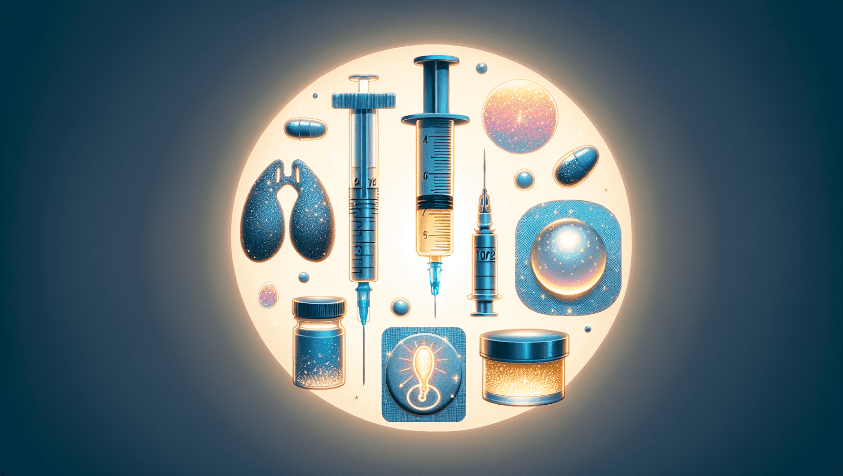
The balance obtained via testosterone replacement therapy (TRT) can be compared to a smoothly running, well-lubricated machine. It’s a treatment that involves the careful administration of testosterone to restore levels to what the body deems as normal. By introducing the hormone via various delivery systems, TRT can rekindle the flame of hormonal function that has dwindled due to a deficiency.
It’s akin to replenishing a reservoir that feeds into the vast river of the body’s processes, with improvements in blood testosterone levels observable as soon as a week after initiation. The mechanics of TRT are a testament to modern medicine’s ability to fine-tune the body’s complex systems, offering a lifeline to those whose natural hormone production has faltered.
Treatment Modalities
The ways to administer TRT are as varied as the people it benefits. From injections that deliver a swift hormonal boost to slow-release pellets that offer a steady stream, the methods are crafted to suit various needs and lifestyles. Some common methods of administering TRT include:
- Injections
- Transdermal patches
- Gels
- Buccal patches
These methods provide different options for individuals seeking TRT.
Each modality comes with its own set of considerations, from the frequency of doses to the application site. And for those who may be squeamish about needles or surgery, the non-invasive options offer a gentler path to hormonal equilibrium.
Monitoring and Adjustment
Initiating TRT is not a solitary journey; it’s a path led by expert medical professionals, ensuring the therapy is perfectly customized. Regular blood tests act as the compass, guiding the dosage and frequency adjustments necessary to maintain a course true to the body’s needs. It’s a vigilant monitoring process that includes measuring the red blood cell count and ensuring that red blood cell levels don’t venture into uncharted territories that could pose health risks.
This careful calibration of treatment is the linchpin in the success of TRT, ensuring that each individual’s unique hormonal landscape is honored and maintained within a healthy range. It’s a process that underscores the importance of personalized medicine in achieving the best possible outcomes.
Tackling Symptoms of Low Testosterone
When low testosterone throws a shadow over a man’s life, it’s not only his libido and erectile dysfunction that suffer from this hormonal deficiency.
The symptoms can be insidious, creeping into every corner of his existence—from the bedroom to the boardroom. Physical changes like a softening physique and diminished vigor intertwine with a mental fog that can cloud his days, potentially increasing the risk of heart disease.
And yet, testosterone therapy can be the dawn that dispels the darkness of these symptoms. It has the potential to:
- Reinvigorate sexual desire
- Strengthen muscles
- Brighten moods
- Sharpen minds
It’s a holistic improvement that may surprise those who had resigned themselves to the shadows of low testosterone.
The Psychological Impact of Testosterone Therapy

Going beyond the physical realm, testosterone therapy can also serve as a balm for the mind. For men whose spirits have been dampened by the weight of low testosterone, this treatment can be a beacon of light, illuminating a path back to mental clarity and emotional stability. The cognitive gains—enhanced focus and bolstered memory—stand as a testament to testosterone’s power to rejuvenate the body and mind.
While the therapy can be transformative, it’s also nuanced, with some men experiencing adverse psychological effects that must be navigated with care. The goal is balance, achieved through expert guidance that ensures testosterone therapy supports mental health with a gentle hand rather than overwhelming it.
Body Composition Changes with TRT
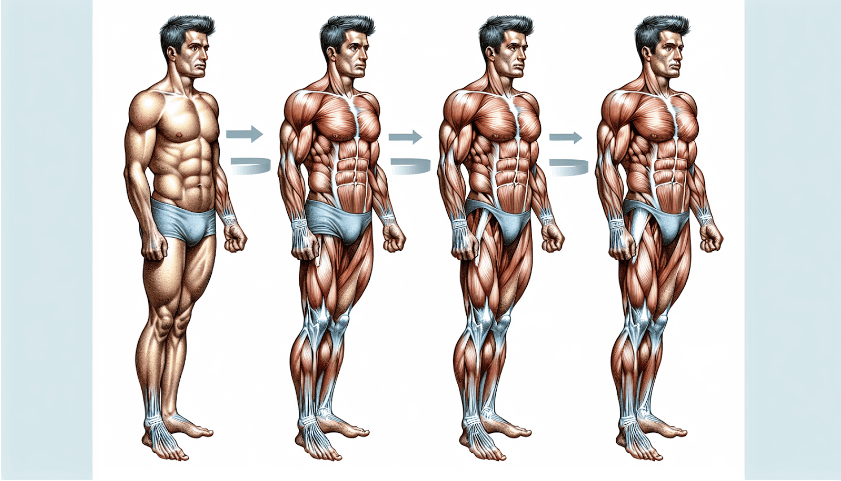
The transformative power of testosterone therapy can reshape physical form, favoring muscle over fat and strengthening the body’s foundation—its bones. It’s a process of sculpting from within, where increased muscle mass and bone density emerge as tangible proof of the therapy’s impact.
The subtle shifts in body composition are like the silent growth of a tree—gradual yet profound. This evolution not only shapes the body’s silhouette but also fortifies its internal architecture, offering a sturdier foundation for a healthier life.
Addressing Potential Side Effects
No treatment comes without its drawbacks, and testosterone therapy also has potential side effects that need to be highlighted and managed. Some men may encounter an uptick in red blood cell production that can thicken the blood’s current, while others might feel the tenderness of burgeoning breast tissue or the sting of skin reactions.
Awareness and proactive management are the keys to navigating these side effects. It’s about monitoring, adjusting, and, where necessary, pausing treatment to ensure the body remains in a state of harmony, not disarray.
Longevity of Therapy: How Long Should You Stay on TRT?
For those who embark on the journey of testosterone therapy, it frequently becomes a lifelong commitment. The benefits, hard-won over months of treatment, can vanish like morning mist should the therapy halt. It’s a commitment, not a brief sojourn, and one that should be entered into with the understanding that the therapy’s duration is not a sprint but a marathon.
The decision to continue or conclude TRT rests on the shoulders of both patient and doctor, with the former’s well-being as the guiding star. It’s a partnership that seeks to sustain therapy’s gains for as long as the body requires.
Financial Considerations: The Cost of Testosterone Therapy
In the sphere of testosterone therapy, the issue of cost is a significant concern, with expenses that can strain finances. The financial commitment is not insubstantial, from the initial investment in consultations and labs to the ongoing outlay for medication.
Yet, there are ways to navigate the monetary maze, from individualized payment plans to insurance coverage, that can ease the burden. It’s about finding a balance between the value of health and the reality of finances, making informed choices that align with medical needs and economic realities.
Making an Informed Decision: Is Testosterone Replacement Therapy Safe?
Entering the realm of testosterone replacement therapy requires comprehensive knowledge and a cautious approach. With its long-term safety still shrouded in the unknown mists, TRT is a ship that many hesitate to board without seeing the full chart of risks and rewards. It’s not a journey recommended for the aging man who lacks clinical signs of low testosterone, as the potential health risks could outweigh the gains.
Yet, TRT can be a voyage worth taking for those with a legitimate need whose sails are billowed by the winds of hypogonadism. It’s a decision not to be made lightly, nor without the guidance of a knowledgeable physician who can navigate the uncharted waters of hormone replacement, ensuring the safety and efficacy of the therapy.
Takeaway
As we dock at the end of our exploratory voyage through testosterone therapy, we’re armed with a treasure trove of insights. From debunking myths to understanding the multifaceted benefits and potential risks, this journey has illuminated the realities of TRT.
It’s clear that while testosterone therapy isn’t a universal elixir, it holds the key to unlocking a better quality of life for those with genuine deficiency. With the right guidance, an informed decision, and a commitment to health, testosterone therapy can be a safe harbor in the stormy seas of hormonal imbalance.
Frequently Asked Questions
Who is a candidate for testosterone therapy?
If you’re a male experiencing symptoms of hypogonadism like low libido, erectile dysfunction, and reduced muscle mass, you could be a candidate for testosterone therapy. It’s important to consult a healthcare professional for personalized advice.
Can testosterone therapy reverse aging?
No, testosterone therapy cannot reverse the natural aging process, although it can improve symptoms related to low testosterone levels. It’s important to have realistic expectations about its effects.
Is testosterone important for women’s health?
Yes, testosterone is important for women’s health as it plays a role in body composition, mood, and other physiological functions.
What are the potential side effects of testosterone therapy?
The potential side effects of testosterone therapy include polycythemia, breast tenderness, skin reactions, and the exacerbation of sleep apnea. However, these can often be managed with proper medical supervision.
How long do individuals typically stay on testosterone replacement therapy?
Most individuals typically stay on testosterone replacement therapy for the long term, as it is aimed at maintaining normal testosterone levels and addressing symptoms of deficiency.