You’ve probably heard about celebrities and influencers raving about IV drips on social media, claiming they’re the secret to instant energy, glowing skin, and hangover recovery. But what exactly is IV hydration therapy, and is it worth the hype? If you’re curious about this wellness trend that’s taken Baltimore and beyond by storm, you’re not alone.
IV hydration therapy, a convenient and efficient method, delivers fluids, vitamins, and nutrients directly into your bloodstream through an intravenous line, bypassing your digestive system entirely. This process allows your body to absorb 100% of the nutrients immediately, providing a swift and effective solution, rather than the 20-50% absorption rate you get from oral supplements. While initially used in hospitals for severe medical conditions, IV therapy has evolved and expanded into wellness centers and medical spas, showcasing the progress and innovation in the field, as a way to boost energy, support immune function, and address various health concerns.
In this comprehensive guide, we’ll explore everything you need to know about IV hydration therapy, from how it works and potential benefits to costs, risks, and what to expect during treatment. Whether you’re dealing with chronic fatigue, recovering from illness, or simply looking to optimize your wellness routine, understanding the facts will help you make an informed decision about whether this treatment is proper for you.
✨ What You’ll Learn
- Understanding the Science Behind IV Delivery
- What Is IV Hydration Therapy Used For?
- Common Medical Applications
- Wellness and Performance Enhancement
- Aesthetic and Anti-Aging Benefits
- Types of IV Hydration Formulations
- The Famous Myers’ Cocktail
- Customized Nutrient Combinations
- The Treatment Process: What to Expect
- Potential Benefits of IV Hydration Therapy
- Understanding the Risks and Side Effects
- Cost Analysis: Is IV Therapy Worth the Investment?
- Choosing the Right Provider
- The Science: What Research Shows
- Making the Decision: Is IV Therapy Right for You?
100% Nutrient Absorption Rate
30-60 Minutes Treatment Time
$100-500 Treatment Cost Range
1970s Myers’ Cocktail Development
Understanding the Science Behind IV Delivery
When you drink water or take vitamins orally, your digestive system has to break everything down before your body can use it. This process can take hours and results in significant nutrient loss. Your stomach acid, liver metabolism, and intestinal absorption all reduce how much reaches your bloodstream.
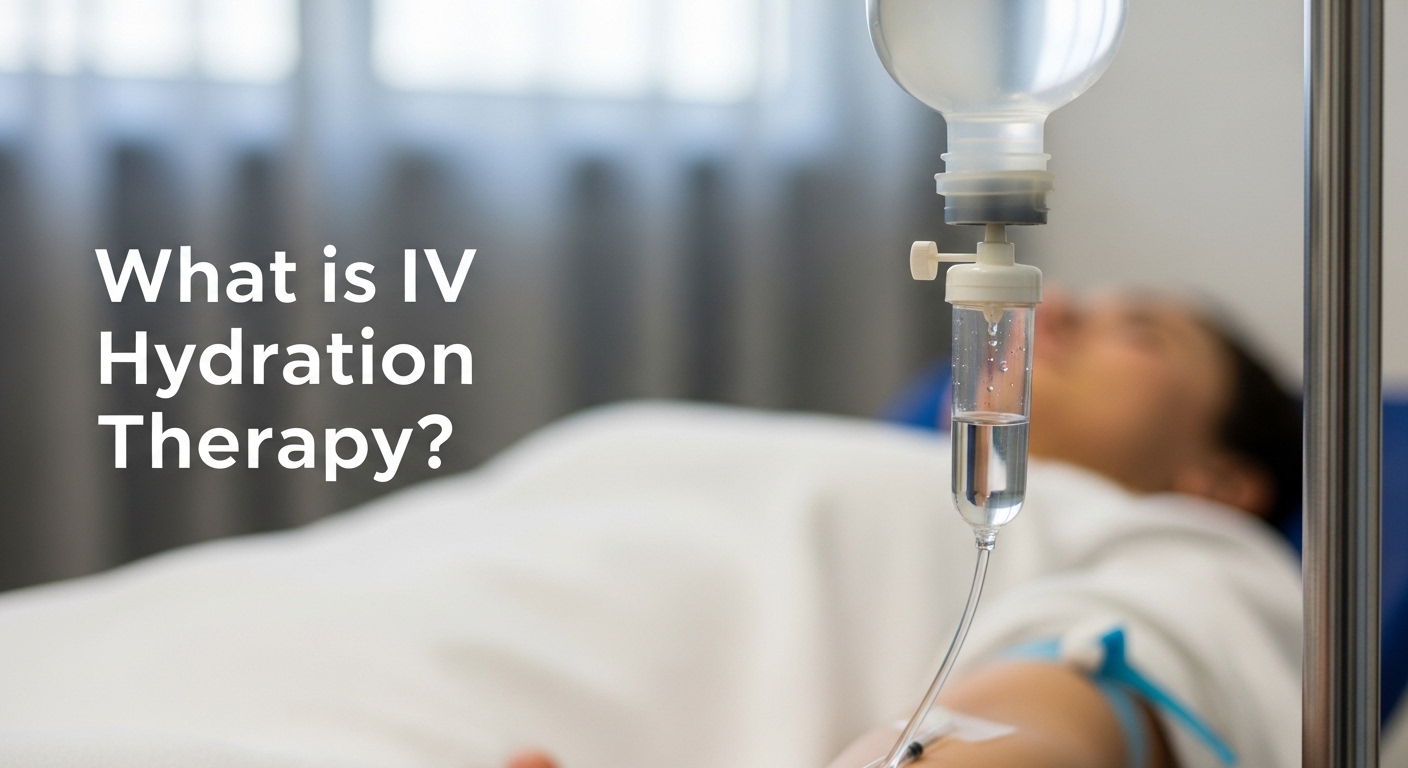
IV therapy completely bypasses this digestive process. A small catheter placed in your vein allows nutrients to flow directly into your bloodstream, where they’re immediately available to your cells. This direct delivery method explains why people often feel effects within minutes of starting an IV infusion.
The treatment typically involves a sterile saline solution that serves as the base fluid, mixed with customized combinations of vitamins, minerals, amino acids, and other therapeutic substances. The entire process usually takes 30-60 minutes, during which you can relax, read, or even work on your laptop.
What Is IV Hydration Therapy Used For?
Modern IV hydration therapy addresses a wide range of wellness goals and health concerns. The treatment has evolved far beyond basic rehydration to include targeted nutrient delivery for specific conditions.
1. Common Medical Applications
Healthcare providers use IV therapy for patients who cannot adequately absorb nutrients through their digestive system. This includes people with inflammatory bowel disease, severe food allergies, or those recovering from surgery. Cancer patients often receive IV vitamin therapy to combat treatment-related fatigue and support their immune system during chemotherapy.
2. Wellness and Performance Enhancement
Athletes frequently turn to IV therapy for faster recovery after intense training or competition. The rapid rehydration and nutrient replenishment can help reduce muscle soreness and restore energy levels more quickly than traditional recovery methods.
Many people also use IV therapy for immune support, especially during cold and flu season. High-dose vitamin C infusions are particularly popular for this purpose, though scientific evidence for immune-boosting claims remains limited.
3. Aesthetic and Anti-Aging Benefits
Some IV formulations target skin health and appearance. Antioxidants like glutathione and vitamin C may help combat free radical damage, while biotin and other B vitamins support healthy hair, skin, and nails. These “beauty drips” have gained popularity among those seeking to improve their appearance from the inside out.
Types of IV Hydration Formulations
Not all IV therapies are created equal. Different formulations target specific health goals and conditions. Understanding these options helps you choose the most appropriate treatment for your needs.
| IV Therapy Type | Key Ingredients | Primary Benefits | Best For |
|---|---|---|---|
| Myers’ Cocktail | Magnesium, Calcium, B vitamins, Vitamin C | Energy boost, immune support, general wellness | Fatigue, stress, and general health maintenance |
| Hydration Therapy | Saline solution, electrolytes | Rapid rehydration, electrolyte balance | Dehydration, hangovers, and post-workout recovery |
| Immune Boost | High-dose Vitamin C, Zinc, B vitamins | Immune system support | Cold prevention, illness recovery |
| Beauty Drip | Glutathione, Biotin, Vitamin C | Skin health, antioxidant protection | Anti-aging, skin improvement |
| Performance/Recovery | B vitamins, Amino acids, Magnesium | Energy enhancement, muscle recovery | Athletes, fitness enthusiasts |
The Famous Myers’ Cocktail
Named after Dr. John Myers, who developed it in the 1970s, the Myers’ cocktail remains the most popular IV vitamin formulation. This classic blend contains magnesium, calcium, B vitamins, and vitamin C. Dr. Myers originally used this combination to treat conditions like chronic fatigue, fibromyalgia, and acute asthma attacks. While the research on IV therapy for fibromyalgia shows promising results, most studies remain small-scale.
Customized Nutrient Combinations
Modern IV therapy allows for highly personalized treatment. Based on your health history, current symptoms, and wellness goals, practitioners can create custom formulations. This might include adding specific amino acids for muscle recovery, NAD+ for cellular energy production, or specialized antioxidants for particular health concerns.
The Treatment Process: What to Expect
Understanding what happens during an IV therapy session can help ease any anxiety about the process. Most people find the experience relaxing and straightforward.
Initial Consultation and Assessment
A qualified healthcare provider will review your medical history, current medications, and health goals. This consultation is crucial for determining the most appropriate IV formulation and ensuring you’re a good candidate for treatment. Some medical conditions, like severe kidney or heart disease, may make IV therapy inadvisable.
The Infusion Process
The actual IV insertion feels similar to having blood drawn. A trained nurse or medical professional will clean the injection site, typically on your arm, and insert a small catheter into your vein. Once the IV is secured, the nutrient solution flows slowly into your bloodstream over 30-60 minutes. During the infusion, you can relax in a comfortable chair, read, use your phone, or even take a short nap. Many professional IV therapy clinics create a spa-like atmosphere to enhance the experience.
Post-Treatment Care
After your session, the IV is removed, and a small bandage is applied to the insertion site. Most people can resume normal activities immediately, though you should avoid heavy lifting with the arm that received the IV for a few hours.
Potential Benefits of IV Hydration Therapy
While research on many IV therapy claims remains limited, some benefits have scientific support, particularly for specific medical conditions and populations.
Proven Medical Benefits
IV rehydration is highly effective for treating severe dehydration, whether from illness, heat exposure, or excessive alcohol consumption. Studies show IV fluids can restore hydration status faster than oral rehydration in emergencies.
For people with malabsorption disorders or digestive issues, IV nutrient delivery provides an essential alternative to oral supplementation. This includes patients with inflammatory bowel disease, short gut syndrome, or severe food allergies.
Potential Wellness Benefits
Many people report increased energy levels after IV therapy, though this may be primarily due to improved hydration rather than the vitamins themselves. Proper hydration is crucial for cellular function, and even mild dehydration can cause fatigue and cognitive issues.
Some small studies suggest IV vitamin therapy might help with certain conditions like fibromyalgia, though larger, controlled trials are needed to confirm these effects.
Athletic Performance and Recovery
IV therapy can be a powerful tool to help athletes perform at their best and recover more quickly. By delivering fluids, electrolytes, and essential nutrients directly into the bloodstream, IV therapy supports rapid rehydration, replenishes vital minerals, and helps restore energy after intense training or competition. Many athletes use it to feel refreshed, reduce muscle fatigue, and optimize their recovery time—so they can get back to training harder, stronger, and sooner.
Key Insight: IV therapy delivers 100% nutrient absorption compared to only 20-50% from oral supplements, making it particularly valuable for addressing deficiencies or supporting recovery when your body needs nutrients quickly.
Understanding the Risks and Side Effects
Like any medical procedure, IV therapy carries potential risks that you should understand before treatment. Most side effects are minor, but serious complications, though rare, can occur.
Common Minor Side Effects
- Injection site reactions: Bruising, swelling, or tenderness at the IV insertion point
- Vein irritation: Temporary inflammation along the vein used for the IV
- Taste changes: Some vitamins, particularly B vitamins, can cause a metallic taste during infusion
- Mild nausea: Occurs occasionally if the infusion rate is too fast
Serious Complications
While uncommon when performed by qualified professionals, serious risks include:
- Infection: Any time the skin is punctured, there’s a risk of bacterial infection
- Electrolyte imbalances: Too much fluid or certain minerals can disrupt your body’s balance
- Allergic reactions: Some people may react to specific vitamins or additives
- Fluid overload: Receiving too much fluid too quickly can strain the heart and kidneys
Who Should Avoid IV Therapy
Specific individuals should avoid or use extreme caution with IV therapy:
- People with severe kidney disease or heart failure
- Pregnant or breastfeeding women (safety not established)
- Individuals with G6PD deficiency (especially for vitamin C infusions)
- Those with a history of severe allergic reactions
- People taking certain medications that may interact with IV nutrients
Cost Analysis: Is IV Therapy Worth the Investment?
It can be if you want fast, targeted wellness support under medical guidance—especially when addressing specific goals. If your needs are general and met through good nutrition, you may not need it regularly.
Want clarity? Book a consultation with Dr. Lauren to get a personalized cost estimate and see if IV therapy is right for you.
Choosing the Right Provider
The safety and effectiveness of your IV therapy experience depend heavily on choosing a qualified, reputable provider. Not all IV therapy providers meet the same standards of care.
Essential Qualifications to Look For
Your IV therapy should only be administered by licensed medical professionals, such as nurses, nurse practitioners, or physicians. The FDA has raised concerns about unlicensed individuals providing IV treatments at some wellness centers.
Facility Standards and Safety Protocols
Look for providers who follow strict safety protocols, including proper sterilization procedures, quality-controlled IV solutions, and emergency preparedness. The facility should be clean, professional, and equipped with monitoring equipment.
Ask about the source of their IV nutrients and whether they use FDA-approved compounds versus custom-mixed solutions. While compounded nutrients aren’t necessarily dangerous, they carry additional risks compared to standardized medications.
Medical Oversight and Consultation
Reputable providers will conduct thorough health screenings before treatment and have medical professionals available to address any complications. Avoid providers who offer IV therapy without proper medical evaluation or oversight.
The Science: What Research Shows
While IV therapy has been used in medical settings for decades, research on its wellness applications remains limited. Understanding the current evidence helps set realistic expectations about potential benefits.
Evidence for Medical Applications
Strong scientific evidence supports IV therapy for specific medical conditions. Studies show clear benefits for treating severe dehydration, nutrient deficiencies in people with malabsorption disorders, and helping patients during specific medical treatments.
Research suggests potential benefits for conditions like fibromyalgia and chronic fatigue, though studies remain small and results mixed. A 2009 study on the Myers’ cocktail for fibromyalgia showed improvement in symptoms.
Evidence for Wellness Claims
IV therapy offers a fast and efficient way to deliver essential vitamins, minerals, and hydration directly into the bloodstream, ensuring maximum absorption and rapid benefits. Vitamin C, for example, plays a vital role in supporting immune health, and IV delivery can help quickly elevate levels in the body. Many people enjoy IV therapy as a proactive wellness boost, using it to feel more energized, support recovery, and promote overall vitality.
The Importance of Individual Variation
People respond differently to IV therapy based on their baseline health, nutritional status, and specific health conditions. What works well for someone with a diagnosed nutrient deficiency may provide no benefit to someone with adequate nutrition.
Making the Decision: Is IV Therapy Right for You?
Deciding whether to try IV therapy requires careful consideration of your health goals, budget, and individual circumstances. This treatment isn’t right for everyone, but it may offer benefits for certain people in specific situations.
Ideal Candidates for IV Therapy
You might benefit from IV therapy if you have difficulty absorbing nutrients orally due to digestive issues, are recovering from illness or surgery, have been diagnosed with specific nutrient deficiencies, or need rapid rehydration due to severe dehydration.
Athletes and people with demanding lifestyles who struggle to maintain adequate nutrition and hydration through traditional means might also find value in IV treatments.
Your Path to Optimal Wellness Starts Here
IV hydration therapy offers a unique approach to wellness that can provide real benefits. While it’s not a magic solution for every health concern, this treatment can be valuable for addressing dehydration, supporting recovery, and delivering nutrients to people who can’t absorb them effectively through traditional means.
The key to successful IV therapy lies in collaborating with qualified medical professionals who can assess your individual needs and develop tailored treatment plans. Whether you’re dealing with chronic fatigue, recovering from illness, or looking to optimize your wellness routine, a thorough consultation will help determine if this treatment aligns with your goals.
At Green Relief Health, Dr. Lauren Nawrocki brings extensive expertise in IV nutrient therapy, combining medical knowledge with a personalized approach to each patient’s unique needs. Our comprehensive wellness services ensure you receive safe, effective treatment in a professional medical environment.
Ready to explore how IV therapy might benefit your health and wellness journey? Don’t let fatigue, poor recovery, or nutritional concerns hold you back from feeling your best. Schedule your consultation today and take the first step toward optimized wellness with personalized IV therapy designed specifically for your needs.
Frequently Asked Questions
How Long Does IV Hydration Therapy Take?
Most IV hydration sessions take 30-60 minutes, depending on the specific formulation and your body’s needs. Basic hydration treatments are typically faster, while complex nutrient combinations may take longer. The process includes time for consultation, IV insertion, the actual infusion, and post-treatment care.
How Often Should I Get IV Therapy?
Treatment frequency varies based on your health goals and individual needs. Some people benefit from weekly sessions for ongoing wellness support, while others may only need occasional treatments for specific situations like illness recovery or intense physical training. Your healthcare provider will recommend an appropriate schedule based on your assessment.
Is IV Therapy Safe For Everyone?
While generally safe when properly administered, IV therapy isn’t appropriate for everyone. People with severe kidney disease, heart failure, or certain other medical conditions should avoid or use extreme caution with IV treatments. Pregnant and breastfeeding women should also consult their doctors before considering IV therapy.
What Are The Most Common Side Effects?
The most common side effects are minor and include bruising or tenderness at the injection site, temporary vein irritation, and occasionally a metallic taste during infusion. Serious complications are rare when treatment is provided by qualified medical professionals in appropriate clinical settings.
Can IV Therapy Replace Oral Vitamins?
IV therapy delivers vitamins and nutrients with 100% absorption, providing an immediate boost that goes straight to work in the body. It’s an excellent way to rapidly replenish key nutrients, supercharge hydration, and enhance overall wellness. Many people use IV therapy to feel revitalized, recover faster, and enjoy a noticeable lift in energy—making it a powerful addition to any healthy lifestyle.
How Much Does IV Therapy Cost In Baltimore?
IV therapy costs in Baltimore typically range from $100-150 for basic hydration treatments to $300-500 for complex nutrient formulations. Pricing varies based on the specific ingredients, facility type, and treatment duration. Most wellness IV treatments are not covered by insurance, though some HSA or FSA accounts may allow payment.
↑