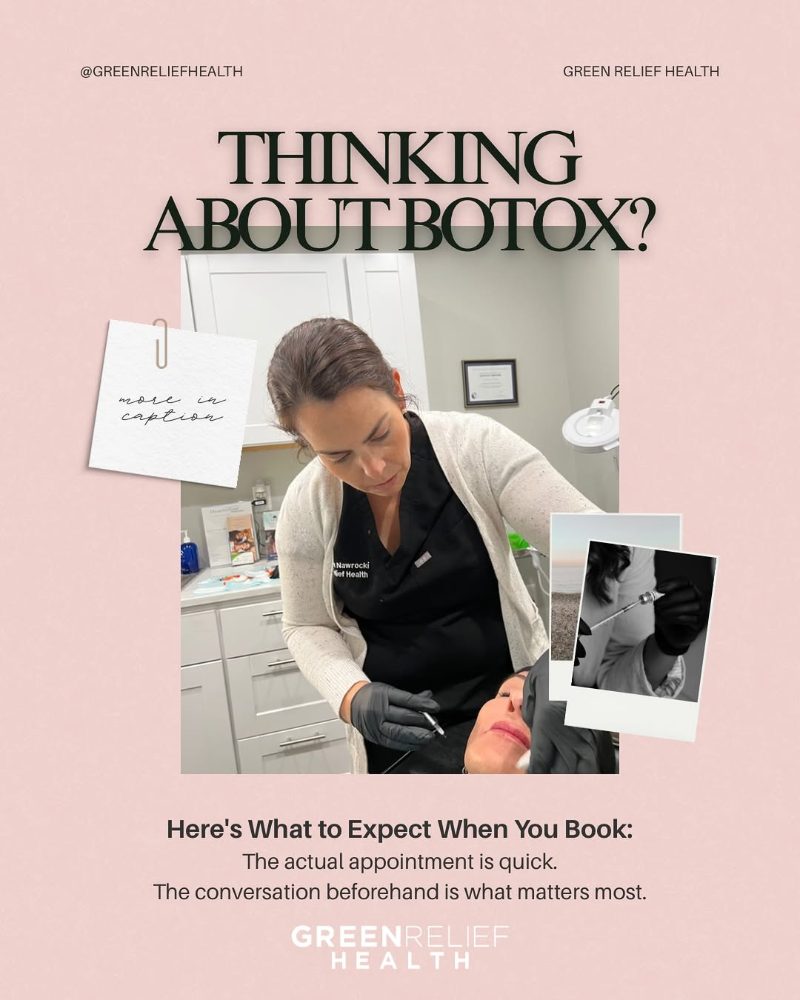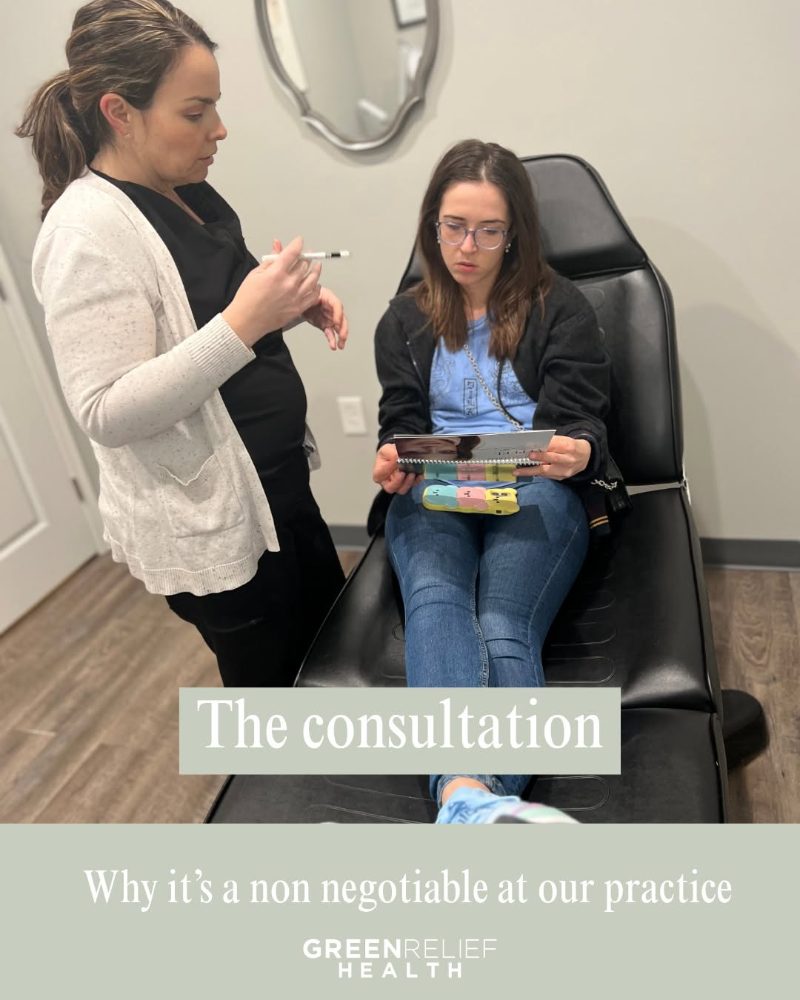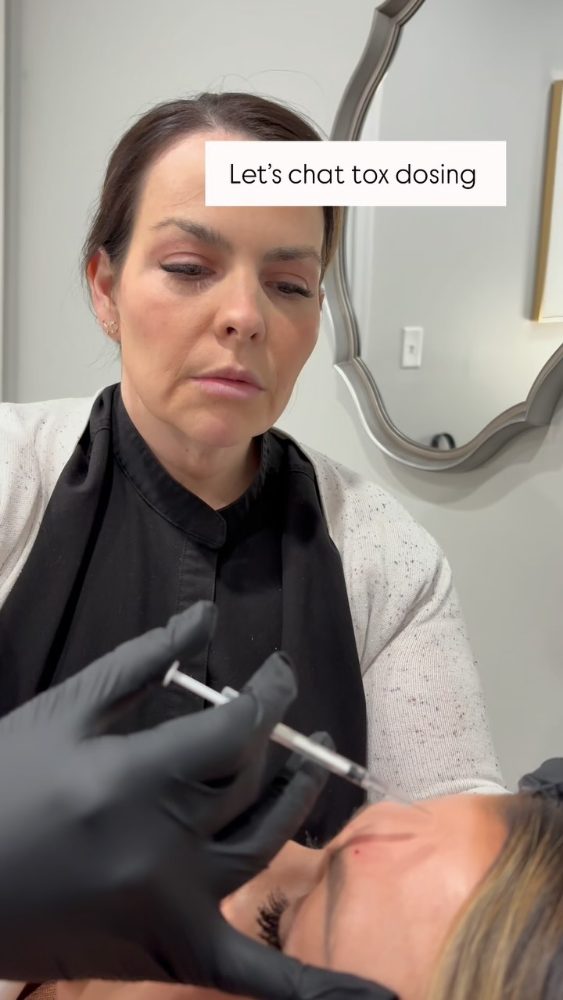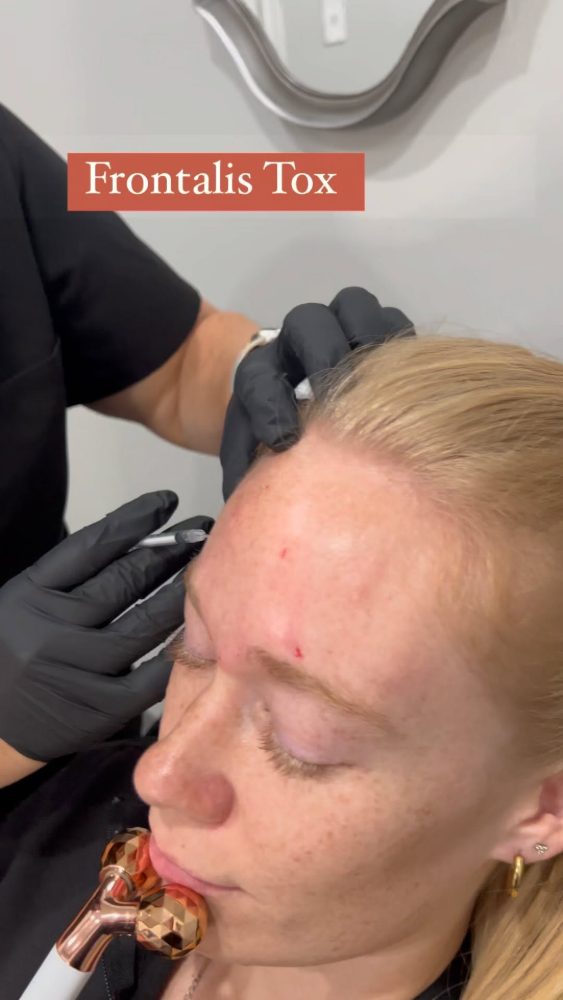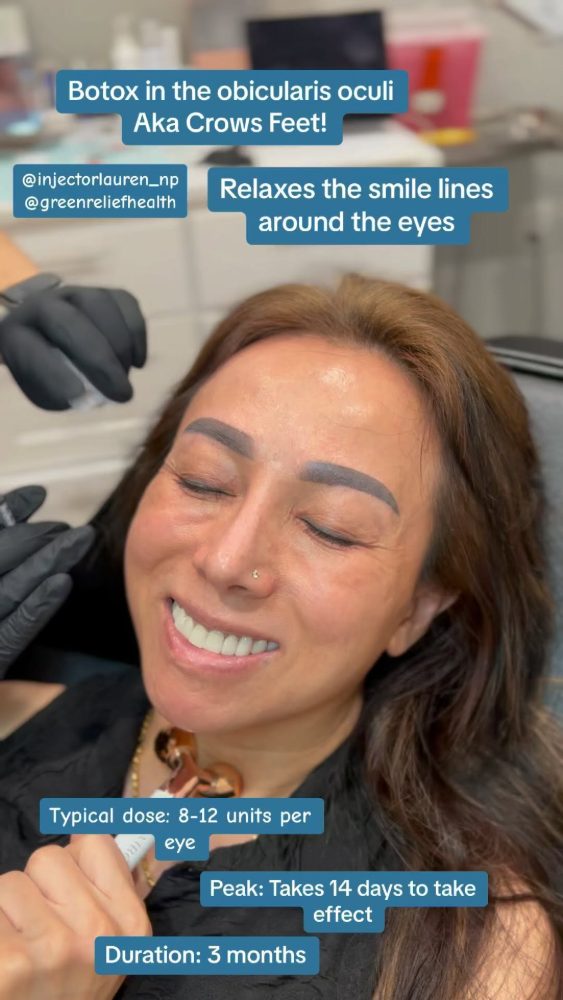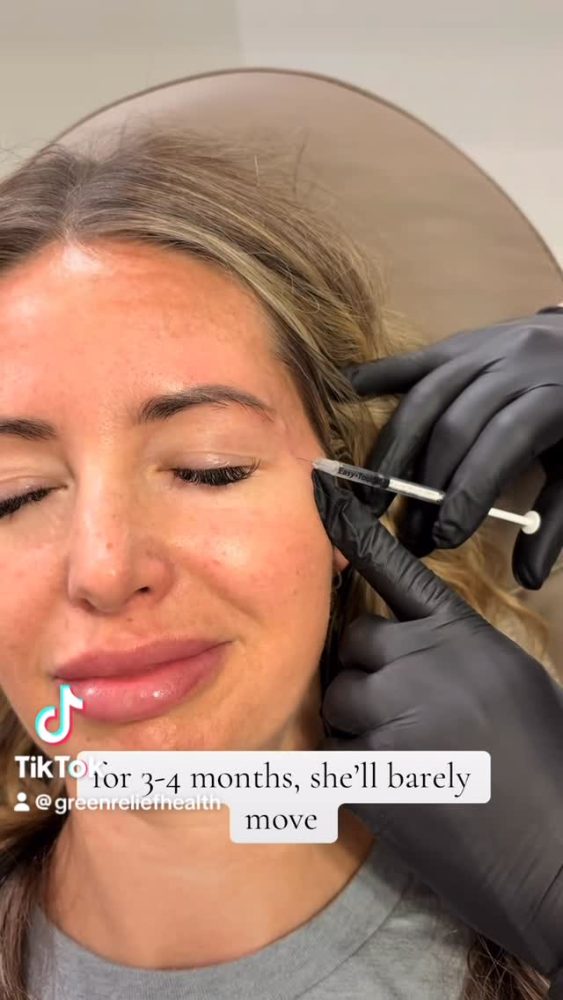
You can gently touch your face 4-6 hours after Botox injections, but avoid rubbing or massaging for 24 hours. This critical timeline prevents toxin migration, which causes drooping eyelids and uneven results. Following proper aftercare instructions protects your investment and ensures optimal outcomes.
✨ What You’ll Learn
- The 4-Hour No-Touch Rule
- Science Behind the Restriction
- Complete Touch Timeline
- 0-4 Hours: Zero Contact Zone
- 4-6 Hours: Transition Period
- 6-24 Hours: Gentle Contact Allowed
- Toxin Migration Risks
- Ptosis (Drooping)
- Facial Asymmetry
- Safe Activities by Timeline
- Exercise Guidelines
- Post-Botox Skincare Routine
- Makeup Application
- If You Accidentally Touch
- Corrective Options
4 Hours Critical no-touch period
24 Hours Full settling time required
85% Patients who follow guidelines properly
2% Experience toxin migration complications
The 4-Hour No-Touch Rule
Botox is a liquid solution injected into facial muscles. Immediately after injection, the botulinum toxin exists in fluid form within your facial tissues. The first 4 hours represent the highest risk period for toxin migration.
Critical Rule: Zero facial contact for 4 hours after injection. This includes touching, rubbing, massaging, or applying pressure to treated areas. Even light contact can displace the neurotoxin before it binds to nerve receptors.
At Green Relief Health, Dr. Lauren Nawrocki emphasizes this timeline to all patients. Her certified expertise in Botox administration ensures the proper administration of injections. However, your compliance with aftercare is not just crucial; it’s a key determinant in achieving the final results you desire.
Why 4 hours matter: Botulinum toxin requires this time period to begin binding with nerve terminals in target muscles. Physical pressure during this window can mechanically displace the solution into unintended areas.
Science Behind the Restriction
Botulinum toxin works by blocking acetylcholine release at neuromuscular junctions. The neurotoxin must complete a three-step process: binding, internalization, and SNARE protein cleavage.
How Botox Works in Your Muscles
Toxin binds to nerve terminal receptors
The botulinum toxin attaches to specific receptors on nerve endings in the target muscle.
Molecule enters nerve cell interior
The toxin molecule is internalized into the nerve cell through cellular uptake processes.
The enzyme cleaves SNARE proteins
Botulinum toxin cuts specific SNARE proteins essential for neurotransmitter release.
Acetylcholine release stops
Without functional SNARE proteins, the nerve cannot release acetylcholine neurotransmitter.
Muscle relaxation occurs
Without nerve signals, the muscle relaxes and wrinkles smooth out.
During the initial hours, unbound toxin remains mobile in interstitial fluid. Applying external pressure acts like squeezing a sponge, pushing the liquid solution out of the intended muscle compartments into adjacent areas.
Green Relief Health’s Botox expectations guide explains this process to ensure patients understand the biological rationale behind aftercare instructions.
Complete Touch Timeline
0-4 Hours: Zero Contact Zone
Absolutely no touching, rubbing, or pressure. Remain upright. Avoid lying down or bending over extensively. This is the highest risk period for toxin displacement.
4-6 Hours: Transition Period
You can lie down carefully on your back. Risk of gravitational displacement decreases significantly. Still avoid direct facial pressure and massage.
6-24 Hours: Gentle Contact Allowed
Light touching is permitted for necessary activities, such as gentle face washing. Use fingertip pressure only. Avoid scrubbing, rubbing, or using cleansing tools.
24+ Hours: Normal Activities Resume
Toxin has settled into the target muscles. Resume regular skincare routine and makeup application. Heavy massage and aggressive treatments should be avoided for 2 weeks.
Toxin Migration Risks
Premature facial contact is the most common cause of Botox complications. Understanding these risks motivates proper compliance with aftercare.
Ptosis (Drooping)
Eyelid ptosis affects 2-5% of patients when toxin migrates from intended injection sites to the levator palpebrae superioris muscle. This muscle lifts the upper eyelid.
Brow ptosis occurs when forehead Botox migrates downward, over-relaxing the frontalis muscle. This creates a heavy, hooded appearance that resolves in 4-6 weeks.
Facial Asymmetry
Uneven toxin distribution creates noticeable facial imbalances. One eyebrow may sit higher than the other, or smile patterns become uneven. These effects are temporary but require patience during resolution.
Patients at Green Relief Health’s FAQ section learn about these potential outcomes during consultation. Proper technique and aftercare can significantly minimize these risks.
Prevention is key: Most migration occurs from patient non-compliance, not injection technique. Following the 4-hour rule prevents 90% of displacement complications.
Safe Activities by Timeline
| Time Period | Allowed Activities | Restricted Activities |
|---|---|---|
| 0-4 Hours | Light facial expressions, talking, drinking with straws | Touching face, lying down, exercise, makeup application |
| 4-24 Hours | Lying on back, gentle face washing, light activity | Face rubbing, strenuous exercise, facial massage |
| 24+ Hours | Normal skincare, makeup, sleeping positions | Deep facial massage, aggressive treatments |
Exercise Guidelines
Avoid strenuous exercise for 24 hours after Botox. Increased heart rate and blood flow can promote bruising and theoretically disperse toxins from injection sites.
Safe Exercise Progression:
- 0-4 hours: No exercise, remain upright
- 4-24 hours: Light walking, gentle stretching
- 24-48 hours: Moderate cardio, avoid inverted positions
- 48+ hours: Resume normal workout intensity
Post-Botox Skincare Routine
Modifying your skincare approach protects injection sites and optimizes results. Understanding post-Botox sensations helps distinguish routine healing from concerning symptoms.
First 24 Hours
Use gentle, non-abrasive cleansers with lukewarm water. Pat dry with soft towels. Avoid active ingredients like retinoids, glycolic acid, or salicylic acid that might increase skin sensitivity.
Skincare Checklist
- Gentle cleansing: Use mild, fragrance-free cleansers applied with fingertip pressure only. Rinse with lukewarm water and pat dry.
- Moisturizing: Apply hyaluronic acid or ceramide-based moisturizers to support skin barrier function and hydration.
- Sun protection: Use broad-spectrum SPF 30+ sunscreen to prevent UV damage that accelerates aging.
- Avoid: Skip retinoids, acids, and exfoliating treatments for the first week to prevent irritation.
Makeup Application
Wait 24 hours before applying makeup. Use clean brushes and light, dabbing motions rather than rubbing or dragging products across the skin.
Mineral-based, non-comedogenic formulations work best during the initial healing period. Heavy, oily products require more blending pressure and should be avoided initially.
If You Accidentally Touch
Accidental contact happens. Brief, incidental touching poses minimal risk compared to sustained pressure or massage. Understanding proper response prevents panic and additional mistakes.
Don’t panic: Single, brief contact rarely causes treatment failure. Simply resume proper aftercare immediately. Monitor the treated area for unusual symptoms over the following days.
What to Monitor
Watch for signs of toxin migration developing 3-14 days after treatment. These include uneven eyebrow height, drooping eyelids, or asymmetrical facial expressions.
When to contact your provider: Significant asymmetry, vision changes, difficulty swallowing, or widespread muscle weakness require immediate medical attention.
Contact Green Relief Health if you experience concerning symptoms. Dr. Nawrocki’s team offers comprehensive follow-up care to address any concerns related to treatment.
Corrective Options
Minor asymmetry can often be corrected with small touch-up injections. More significant migration typically resolves naturally as the effects of Botox fade over 3-4 months.
Prescription eye drops (apraclonidine) can temporarily improve mild eyelid ptosis by stimulating secondary eyelid muscles while waiting for recovery.
Final Thoughts
The 4-hour no-touch rule represents the most critical aspect of Botox aftercare. This scientifically-based timeline prevents toxin migration that causes drooping and asymmetry. Patient compliance with aftercare instructions is equally vital as the injection technique for achieving optimal results.
Understanding Botox timelines helps set realistic expectations for both restrictions and results. Following proper aftercare helps protect your investment in aesthetic enhancements.
Professional administration by certified providers, such as those at Green Relief Health, combined with diligent patient follow-up care, creates the foundation for successful Botox outcomes. The temporary inconvenience of activity restrictions pays dividends in long-term satisfaction with results.
Frequently Asked Questions
What happens if I rub my face after Botox?
Rubbing your face within 4-6 hours after Botox can cause toxin migration, leading to drooping eyelids, uneven results, or effects in unintended muscles. The risk decreases significantly after 24 hours when the toxin has settled into the target muscles.
Can I sleep on my side after Botox?
Avoid sleeping on your side for the first 4-6 hours after Botox. Sleep on your back with your head slightly elevated to prevent pressure on treated areas. After 24 hours, you can resume normal sleeping positions.
When can I wash my face after Botox?
You can gently wash your face 4-6 hours after Botox using lukewarm water and a mild cleanser. Use light fingertip pressure and avoid scrubbing or rubbing. Pat dry with a clean, soft towel.
How long does Botox take to settle in muscles?
Botox begins binding to nerve receptors within 4-6 hours but takes 24-48 hours to settle into target muscles fully. Complete effects develop over 3-14 days as muscle relaxation progresses.
↑